Offers
 Account
 Menu
Menu Favorite
 Basket



 Need Optical Advice?







 Updated on:
17 September, 2026
Updated on:
17 September, 2026


 Copy Link



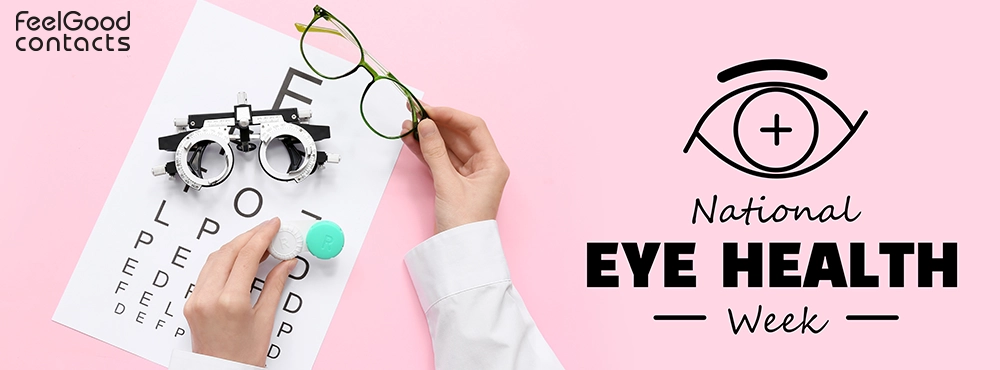
National Eye Health Week 2026 will take place from 21-27 September. This annual event aims to make people more aware of the significance of eye health and encourage them to prioritise their vision. Let’s understand more about this week.
Who organises National Eye Health Week?
Eye Health UK, a leading charity that promotes eye health, runs this annual campaign and organises the week-long event. It brings together healthcare professionals, organisations, and the public to take part in various campaigns and activities. These activities emphasise the importance of maintaining good eye health and preventing vision loss.
Why is eye health important?
According to the Royal National Institute of Blind People (RNIB), more than 2 million people in the UK live with sight loss. Out of these, about 340,000 are registered as blind or partially sighted. The Institute has reported that about 60% of these cases could have been prevented with proper eye care and timely help.
Eye health not only affects your sight but also your overall well-being and quality of life. Poor eye health is linked to a higher risk of falls, reduced independence and difficulties in managing other health conditions like diabetes and heart disease that start showing up with age. Creating awareness can help reduce these statistics and promote a healthier future for all.
How is National Eye Health Week celebrated?
National Eye Health Week includes a variety of activities and initiatives that help create awareness around eye health and encourage people to take better care of their vision. These may include events such as:
1. Community events and educational activities:
Opticians, charities, community groups and other organisations may organise workshops, talks, webinars and interactive activities to help people learn more about eye health and ways to protect their vision.
2. Educational workshops
Health professionals host workshops focusing on specific eye conditions, preventive measures and the importance of detecting early signs of any eye disease.
Healthy habits and easy-to-follow eye care tips for better eye health
Taking care of your eyes starts with developing healthy habits. Incorporating these habits into your daily routine can help protect your eyes and support good vision.
1. Have regular sight tests
Adults are advised to have their eyes tested every two years, although some people may need more frequent tests depending on their age, eye health and individual circumstances. Your optometrist can advise you on how often you should have your eyes tested. Regular sight tests can check your vision and help identify signs of eye disease that may not be noticeable.
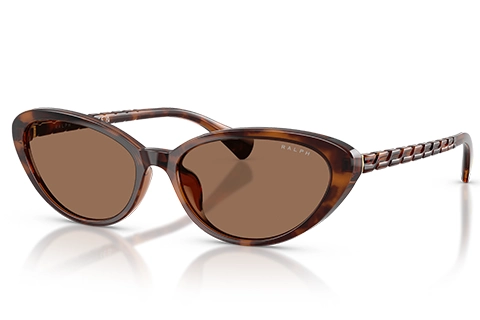
2. Protect your eyes from harmful UV rays
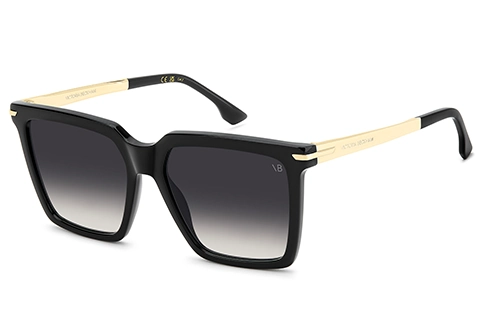
Protect your eyes from harmful UV rays by wearing UV-protected sunglasses when you're outdoors. At Feel Good Contacts, you can shop 100% UVA/B-protected sunglasses from popular brands for up to 60% off.
3. Take regular breaks from screens
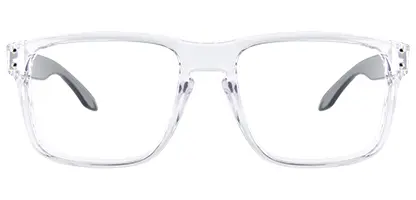
Spending long periods looking at digital screens can leave your eyes feeling tired, irritated or uncomfortable. Take regular breaks, blink frequently and adjust your screen brightness, text size and position to make viewing more comfortable. Consider using glasses with blue light coating while using screens for longer hours.
4. Eat a balanced diet
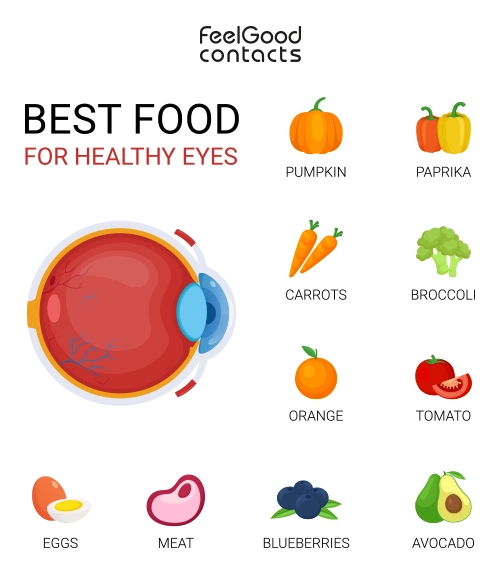
Eating a varied diet containing vegetables, fruit, wholegrains, protein and healthy fats supports your overall health, including your eyes. Rather than relying on a particular food or supplement, focusing on maintaining a balanced diet.
5. Recognise the early signs of eye conditions
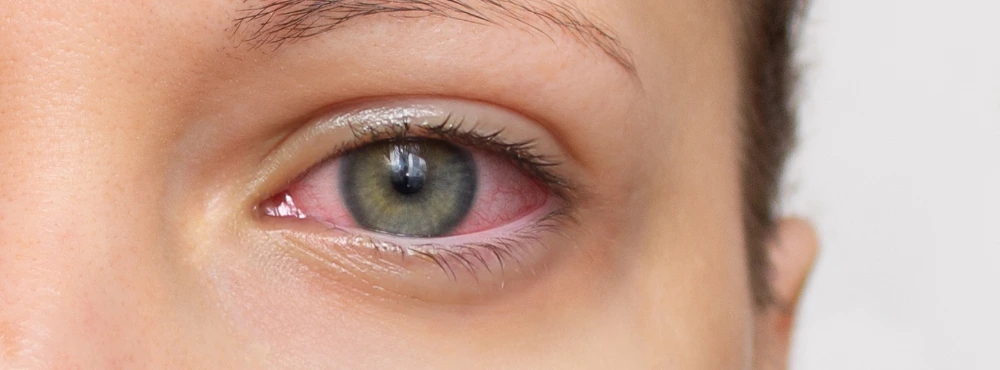
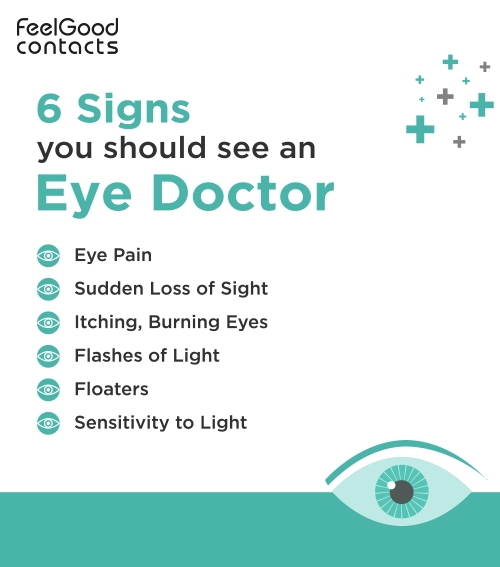
Pay attention to any changes in your vision and seek professional advice if you notice anything unusual. Sudden vision loss, flashes of light, new floaters, eye discomfort or a red and painful eye can require prompt attention.
For a better understanding of how certain refractive errors can affect vision, use our interactive Vision Simulator to see how vision may appear with conditions such as astigmatism, myopia, presbyopia and hyperopia.
For more insights into eye health, vision correction and information on various eye conditions, visit our eye care hub. We also offer a wide range of high-quality eye care essentials, including contact lenses, glasses, solutions, sunglasses and more at up to 70% off, along with superfast delivery to help you give your eyes the care they deserve.