Offers
 Account
 Menu
Menu Favourite
 Basket



 Need Optical Advice?









 Updated on:
02 September, 2026
Updated on:
02 September, 2026



 Copy Link




Eye compresses are an effective way to manage a variety of eye and eyelid conditions. They can be applied either warm or cold, depending on the underlying cause. A hot eye compress, should not be used around the eye as the area is very sensitive. However, a warm compress is often recommended for conditions linked to blocked oil glands and dry eyes, while a cold eye compress is typically used to ease swelling, inflammation and irritation. Knowing when to use each type can help you choose the right one to improve comfort and support the healing process.
- What is a warm eye compress?
- When to use a warm eye compress?
- Benefits of a warm eye compress
- What is a cold eye compress?
- When to use a cold eye compress?
- Benefits of a cold eye compress
- Hot compress vs Cold compress
- How to use an eye compress safely?
What is a warm eye compress?
A warm compress, uses gentle heat to improve blood flow and loosen oils in the eyelids. Often referred to as a hot eye compress, it should feel comfortably warm rather than hot to avoid irritating the delicate skin around the eyes. The warmth helps the natural oil glands in the eyelids function more effectively. Warm compresses are often used to manage conditions that affect the eyelids and tear film.
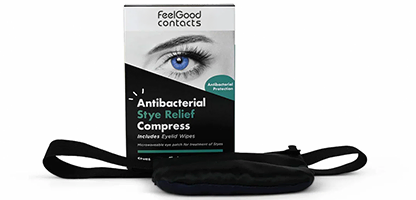
The Eye Doctor Stye Relief Compress is a reusable microwavable eye compress that provides soothing heat to help relieve styes, eyelid inflammation and dry eye symptoms.
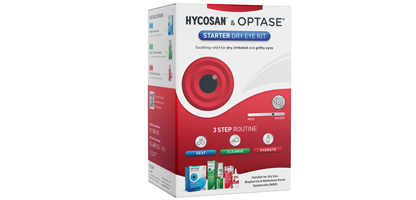
The Hycosan and Optase Starter Dry Eye Kit, features a heated eye mask, cleansing gel and lubricating eye drops to help relieve dry eye symptoms.
When to use a warm eye compress?
Below are some common eye conditions that may benefit from warm eye compress therapy:
1. Dry eye syndrome
Dry eye is an eye condition when the eyes do not produce enough tears or when tears evaporate too quickly. A warm compress can help improve the function of the eyelids oil glands, which can improve the quality of tears and reduce dryness.
2. Blocked oil glands
The eyelids contain tiny glands called meibomian glands. These glands produce oil that helps keep tears from drying out too quickly. If the glands become blocked, a warm compress can help soften and release the trapped oil.
3. Blepharitis
Blepharitis is a common condition that causes inflammation of the eyelid margins. It is often associated with blocked oil glands or an overgrowth of bacteria on the eyelids. Symptoms may include redness, irritation, crusting around the eyelashes and itchy eyelids. Warm compresses can help loosen debris and improve function of the eyelids oil glands.
4. Styes
A stye is a painful lump that forms near the edge of the eyelid. Applying gentle warmth can encourage drainage and support the healing process.
Benefits of a hot eye compress
The gentle warmth of warm eye compresses can support healthy eyelid function and help relieve a range of common eye symptoms, including:
- Improving blood circulation around the eyes
- Helping unblock the eyelids oil glands
- Relieving dry eye symptoms
- Reducing eyelid irritation and discomfort
- Supporting healing of styes and help reduce eyelid inflammation
What is a cold eye compress?
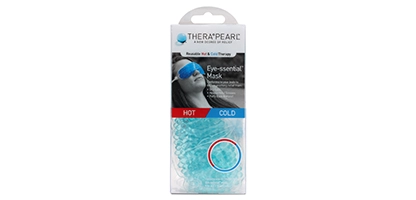
A cold eye compress uses cool temperatures to reduce swelling and calm inflammation. Unlike a warm compress, it works by narrowing blood vessels, which helps decrease puffiness and discomfort. Cold compresses are especially useful for sudden irritation or swelling. Some popular cold compresses are:

When to use a cold eye compress?
1. Eye allergies
Allergies can cause itchy, watery, red and swollen eyes. A cold compress can provide quick relief by soothing irritation and reducing inflammation.
2. Puffy eyes
Many people experience puffiness around the eyes due to lack of sleep, crying, allergies or fluid retention. A cold compress can help reduce swelling and improve the appearance of the eyes.
3. Minor eye injuries
If the area around the eye has mild swelling following a minor bump or injury, a cold compress may help reduce discomfort and swelling. However, any significant eye injuries should always be assessed by a healthcare professional.
4. Eye strain
Spending long hours looking at screens can leave the eyes feeling tired and uncomfortable. A cool compress may help refresh the eyes and provide temporary relief.
5. Redness and inflammation
Cold eye compresses can help soothe inflamed tissues and reduce redness caused by eye irritation.
Benefits of a cold eye compress
By gently cooling the eye area, a cold eye compress can provide the following benefits:
- Reduces swelling and puffiness
- Calms inflammation
- Relieves itching caused by allergies
- Soothes tired eyes
- Helps reduce redness and discomfort
Hot compress vs Cold compress
The primary difference is how each treatment affects the tissues around the eyes. A warm (or hot) compress increases blood flow and helps loosen oils and blockages. It is commonly used for conditions such as blepharitis, styes, dry eyes and blocked gland-related problems. A cold compress reduces blood flow, which helps control swelling and inflammation. It is usually best for allergies, puffiness, redness and minor injuries.
How to use an eye compress safely?
Whether you are using a warm eye compress or a cold eye compress, it is important to use it correctly to avoid irritation, redness or discomfort. Always follow the instructions provided with the product or the advice of your eye care professional.
Here are some tips to help ensure the safe use of an eye compress:
- Wash and dry your hands thoroughly before touching your eyes or handling the compress.
- Make sure the compress is clean before each use to help reduce the risk of infection.
- Check the temperature on your wrist before placing the compress over your eyes. It should feel comfortably warm or cool, never too hot or too cold.
- Keep your eyes closed while using the compress.
- Avoid applying excessive pressure to the eyes, as this may cause discomfort.
- If your symptoms worsen, persist or are accompanied by severe pain, changes in vision or significant swelling, seek advice from an eye care professional.
Using an eye compress safely can help maximise its benefits while keeping your eyes comfortable and protected.