Offers
 Account
 Menu
Menu Favorite
 Basket



 Need Optical Advice?









 Updated on:
06 August, 2026
Updated on:
06 August, 2026


 Copy Link



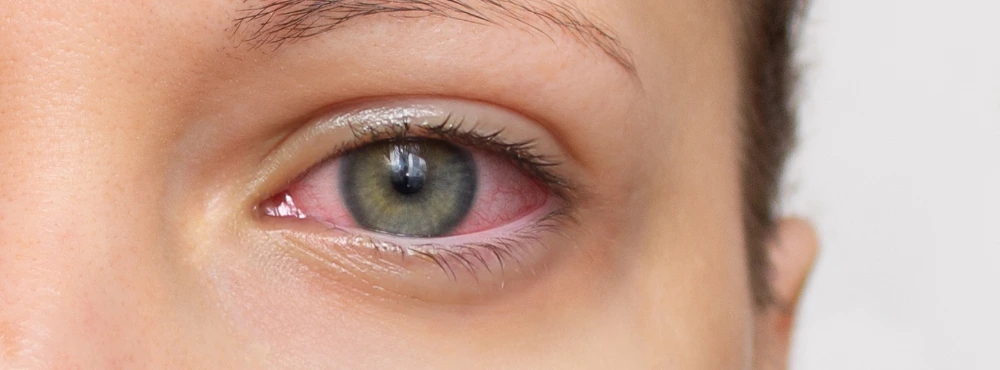
There are several factors that can cause dry eyes, including excessive use of digital devices and ageing. Another factor could be one of the medicines prescribed to you. Many common medicines or drugs taken to address existing health problems can cause dry eyes.
As medicines affect the body’s chemical, hormonal or homeostatic rhythms, they can sometimes affect the eyes and minimise tear production or interfere with the functioning of the meibomian glands (tiny oil glands found at the edges of your upper and lower eyelids), making the eyes feel dry, gritty, irritated or sore. With many people relying on prescription medications, understanding the connection between certain drugs and dry eye symptoms is important for managing the dryness and improving eye comfort.
Medicines causing dry eyes
Some of the most common medicines that may cause dry eyes include:
Antihistamines
Antihistamines are usually prescribed to relieve allergic symptoms, such as sneezing, itching, a runny nose or watery eyes caused by pet dander, mould or pollen. However, they can have the unintended side effect of reducing tear production, leading to dry eye symptoms.
Antidepressants
Antidepressants or mood stabilisers can block the signals between nerve cells, including the signals between tear glands. This can result in reduced tear production, making the eyes feel dry.
Acne medications
Acne drugs, such as isotretinoin, used to treat acne may also cause dry eyes as a side effect. The medicine helps with acne by reducing the oil production from meibomian glands. When oil production is disrupted, tears dry up too quickly, causing irritation and dryness in the eyes.
Birth control drugs
Oral contraceptives or birth control pills can alter the body’s hormone levels. Changes in these hormone levels may reduce tear production, or alter meibomian oil secretion, causing dry eye.
Decongestants
These medicines are often used to treat allergies, cold or flu that can cause nasal congestion. They shrink the blood vessels in the nose to provide enough room for airflow. As a result, blood flow to the tear glands may also be reduced, leading to dry eyes.
Hypertension medication
Beta-blockers and diuretics are two drugs often prescribed to manage blood pressure. Beta-blockers restrict the body’s response to adrenaline (a hormone released by the body in stressful, exciting or dangerous situations). However, they can also reduce tear production, leading to dry eyes.
How to manage dry eyes caused by medicines
You can follow these tips to manage dry eyes caused by different kinds of medicines.
- If your doctor advises, you can reduce the dosage of certain medicines to prevent eye dryness.
- Based on your doctor’s advice, you can change your medicines and opt for the ones that do not cause dry eyes.
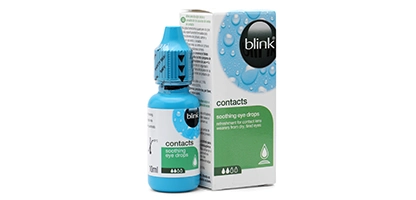
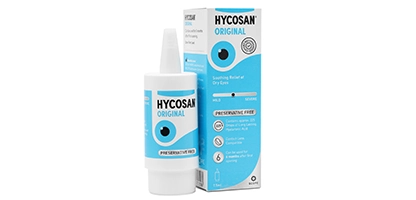
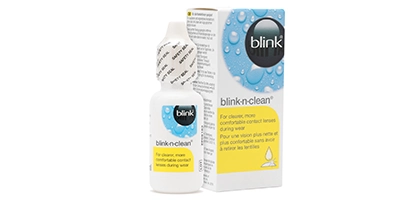
- Artificial tears and other lubricating drops can also be used to prevent eye dryness.
- Use a humidifier to adjust the moisture in your environment, as it will help reduce eye dryness.
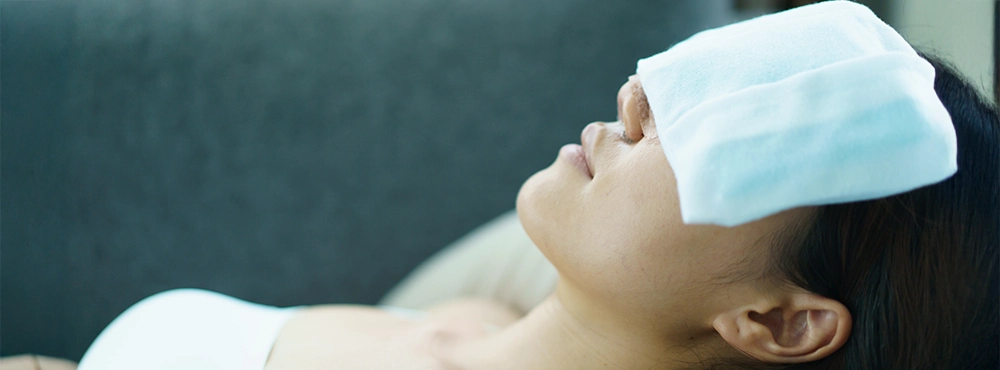
- Use a warm compress, such as Thera-Pearl Eye Mask, to soothe dry eyes. Ensure to follow the instructions on the package for appropriate use.
- Stay hydrated, as dehydration can worsen dry eye symptoms.
Frequently asked questions
Can prescription drugs cause eye dryness?
Yes, according to the NHS, certain prescription drugs, including antidepressants and blood pressure medicines, can cause dry eyes.
Are eye drops effective for medicine-induced dry eye?
Yes, eye drops can soothe and provide relief from medicine-induced dry eyes by mimicking natural tears.
Can dry eyes caused by medicines be reversed?
Yes, most medicine-induced dry eyes are reversible. Often, symptoms improve as you stop taking medicines, reduce the dose or change the medicine as advised by your doctor. Please note that the symptoms improve within a few days or weeks.