Offers
 Account
 Menu
Menu Favourite
 Basket



 Need Optical Advice?







 Updated on:
01 October, 2026
Updated on:
01 October, 2026



 Copy Link



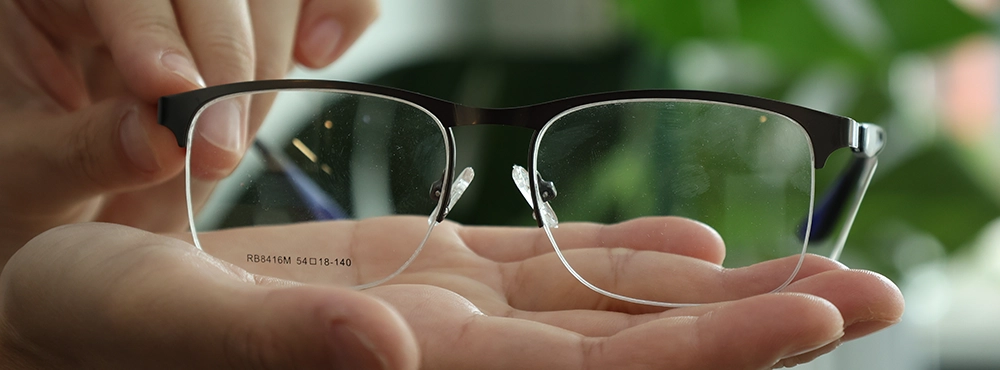
Full-rim, semi-rimless, and rimless glasses differ in how the frame sits around the lenses and how much of the lenses the frame covers. Each frame type offers a different style and is considered suitable for different vision needs and lifestyles. Your prescription, lens preferences, daily activities and preferred look can all help you decide which frame type is right for you. Read on to learn about all three of these frame types and their benefits.
- What are full-rim glasses?
- What are semi-rimless glasses?
- What are rimless glasses?
- Which frame type should you choose?
- Does your prescription matter while choosing the best frame type?
- How should you care for your glasses?
- Frequently asked questions
What are full-rim glasses?
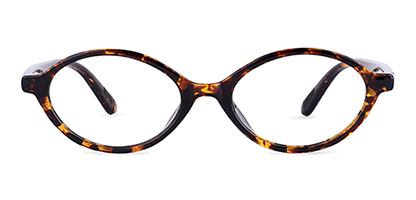
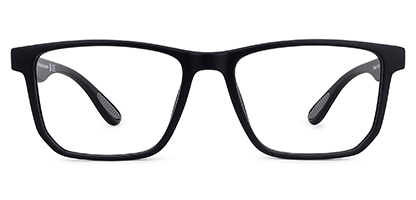
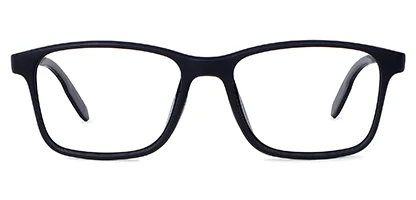
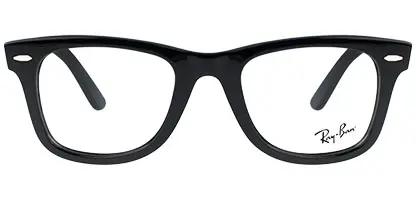
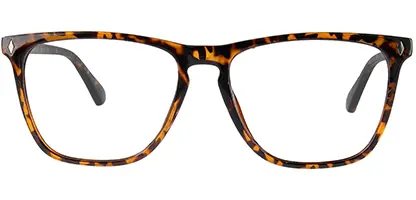
Full-rim glasses are one of the most popular frame styles, with rims that completely surround each lens. This gives the lenses good support and helps protect their edges. These frames come in many shapes, colours, styles, and materials, so it's easy to find full-rim frames that match different face shapes and personal styles.
Benefits of full-rim glasses
Here are some of the key benefits of full-rim glasses:
- Provide good support to the lenses
- Help protect the edges of the lenses from everyday wear and tear
- Perfect for those with higher prescriptions
- Available in a wide range of colours, shapes and materials
What are semi-rimless glasses?
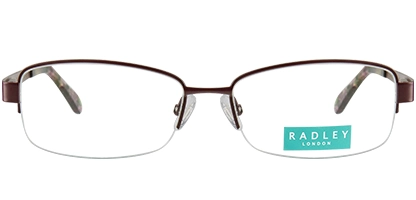
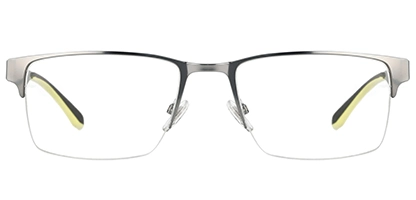
Semi-rimless glasses are also known as half-rim or supra glasses. As the name suggests, the rim only surrounds half of each lens. The upper part of the lens is held by a solid frame and a thin wire or nylon cord holds the lower part of the lens in place. This creates a lighter, more open and sleek look than full-rim glasses.
Benefits of semi-rimless glasses
- Feel lighter than some full-rim frames
- Offer a neat, modern and stylish appearance
- Provide sufficient support to the lenses while keeping the design minimal
What are rimless glasses?
As the name suggests, rimless glasses have no rims at all, making them the most minimal of the three styles. They have no rim around the lenses. Instead, the bridge and side arms attach directly to the lenses with small fittings. This gives the frame a simple, almost invisible look.
Benefits of rimless glasses
- Very lightweight and comfortable to wear
- Minimal and discreet appearance
- Less noticeable on the face
- Suitable for people who prefer a simple frame style
Which frame type should you choose?
Each frame style has its own advantages and the right choice depends on your prescription, comfort, lifestyle and personal preference. Full-rim glasses may be a good choice if you want a durable, comfortable frame for everyday use. This frame style is useful when you want more protection around the edges of your lenses. Semi-rimless glasses, on the other hand, can be suitable if you want a balance between durability and style. Rimless glasses may be right for you if you prefer a very light frame and discreet style. However, they usually need more care because the lenses are more exposed.
Your daily activities will be the most defining factor here. For instance, if you often play sports, work in a busy environment or have young children who may knock your glasses, a more protective frame, such as full-rim plastic frames may be a practical choice.
Does your prescription matter while choosing the best frame type?
Yes. Always consider your prescription while choosing a frame type. Some frames may not be suitable for certain prescriptions. The type, size and shape of the frame can also affect your lens choices and the final look of your glasses. For example, if you choose rimless glasses, you may need thinner lenses to enhance the overall look. Full-rim glasses are a great pick for people with high prescriptions, as the higher the prescription, the thicker the lenses and those lenses might not look that aesthetically pleasing in a semi-rimless or rimless frame.
How should you care for your glasses?
All glasses need careful handling, regardless of the frame style. Semi-rimless and rimless glasses may need particular care because parts of the lenses and their fittings are more exposed. Here are some things to keep in mind to take proper care of your glasses:
- Keep your glasses in a protective case when you are not wearing them.
- Clean the lenses with solutions intended for spectacles and a microfiber cleaning cloth.
- Avoid using hard cleaning chemicals or a random piece of clothing.
- Keep your glasses away from harsh temperatures. Never leave them on your car’s dashboard.
- If your glasses become loose or do not fit comfortably, take them to an optical professional for adjustment or repair.
Frequently asked questions
Are rimless glasses better than full-rim glasses?
Full-rim and rimless glasses offer different designs and features to suit different needs. The better choice varies from person to person based on their prescription, preference, comfort and lifestyle.
Are semi-rimless glasses suitable for varifocal lenses?
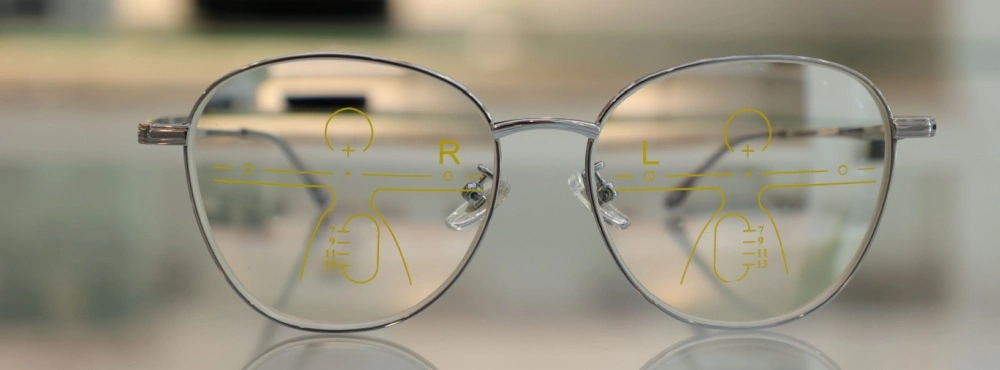
Semi-rimless frames can be suitable for varifocal glasses, depending on the frame size, particularly the lens height.
How often should I have my eyes tested when I wear glasses?
Ideally, every adult should have a sight test at least once every two years, although some people may need them more often. Your optometrist can advise you on how frequently you should have your eyes tested.