Offers
 Account
 Menu
Menu Favourite
 Basket



 Need Optical Advice?














In this blog, we'll explain the differences between polarised and non-polarised sunglasses and the benefits they offer, so you can decide which pair best suits your lifestyle.
What are polarised sunglasses?
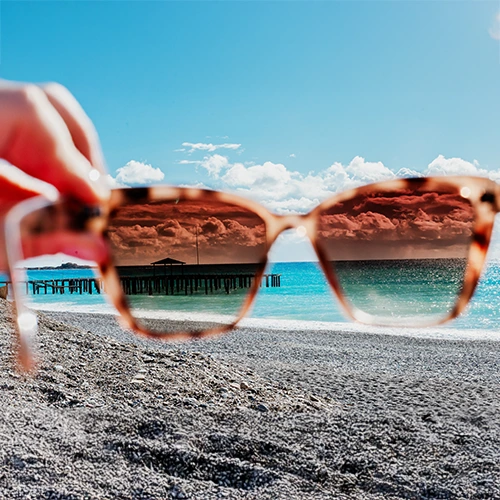
When sunlight bounces off a flat reflective surface such as water, roads, snow, glass or car bonnets, it reflects light in a horizontal direction and becomes polarised. This reflected light causes glare that can be intensely bright, making it difficult to see clearly and causing eye strain. Polarised sunglasses feature lenses with a special chemical filter that blocks horizontal reflections and reduces glare while allowing vertical light to pass through, providing sharper and more comfortable vision.
Benefits of polarised sunglasses
Polarised sunglasses offer several benefits, including:
- Reduce glare from reflective surfaces, such as roads, lakes and snow.
- Improve visual comfort by minimising squinting in bright conditions.
- Enhance clarity and contrast to make details easier to distinguish.
- Help prevent eye fatigue during prolonged outdoor activities.
- Improve visibility during activities like fishing, boating, hiking and driving in sunny weather.
What are non-polarised sunglasses?
Non-polarised sunglasses have tinted lenses to reduce overall brightness, but they don't contain the special filter that reduces horizontal glare from shiny surfaces. However, they protect your eyes from harmful UVA and UVB rays, making them suitable for everyday use.

Benefits of non-polarised sunglasses
Although they don't reduce glare like polarised lenses, non-polarised sunglasses offer plenty of benefits, such as:
- Offer complete UV protection and are ideal for everyday wear.
- Provide full visibility of digital screens, such as smartphones, GPS devices and dashboard displays.
- More affordable than polarised sunglasses.
- Available in a wider variety of styles and lens colours.
Polarised vs non-polarised sunglasses
| Feature | Polarised Sunglasses | Non-Polarised Sunglasses |
| Glare reduction | Yes | No |
| UV protection | Yes (with a UV filter) | Yes (with a UV filter) |
| Improved colour contrast | Excellent | Moderate |
| Managing eye strain | More effective as they block glare | Effective in bright sunlight |
| Screen visibility | LCD screens can look distorted | Clearer screen visibility |
| Best for | Outdoor activities like driving, boating, fishing, hiking and skiing | Everyday wear, aviation and screen use |
| Cost | Higher | Lower |
Which sunglasses are the right choice for you?
Both polarised and non-polarised sunglasses offer 100% UV protection, shielding your eyes from harmful UV rays outdoors, so the right choice really depends on your lifestyle. You should choose polarised sunglasses if you:
- drive in bright conditions
- spend your time mostly near water bodies
- enjoy outdoor activities, such as hiking or fishing
Non-polarised sunglasses can be the right fit for you if you:
- frequently use LCD screens or GPS devices outdoors
- are looking for a reliable pair for everyday wear
What does Feel Good Contacts offer?
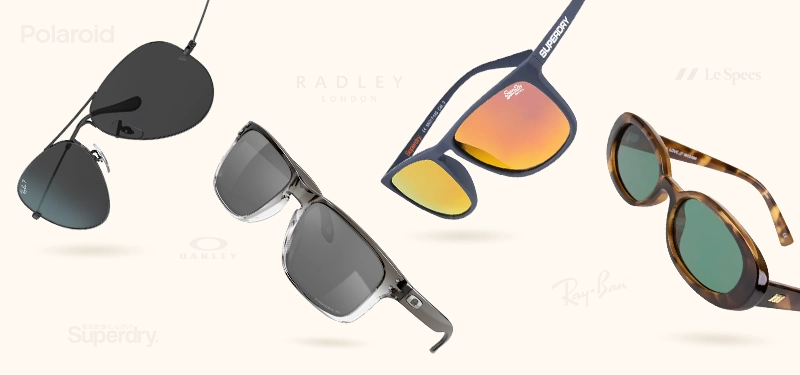
At Feel Good Contacts, each pair of sunglasses that we stock, whether polarised or non-polarised, comes with complete UVA and UVB protection. In addition to full-tint and polarised sunglasses, we also offer a wide variety of mirrored and gradient sunglasses from popular brands, such as Le Specs, Ray-Ban, Oakley, Superdry and more. We offer these designer sunglasses at up to 60% off, so you can own a branded pair at an affordable price. You can choose from a range of shapes, frame and lens colours, styles and materials. Our collection of sunglasses starts from only €13. As we are an official distributor of major eyewear brands, you can rest assured that you will receive 100% authentic sunglasses from us.
The debate around polarised vs non-polarised sunglasses isn't about which option is universally better, but rather which one works best for your lifestyle. No matter which pair you choose, make sure it comes with UV protection. Polarisation is an added feature that enhances visual comfort, but safeguarding your eyes from harmful ultraviolet rays is essential for optimal eye health.
Frequently asked questions
How does polarisation work?
Polarised lenses contain a special filter that blocks intense horizontal light reflected from flat surfaces, such as roads, water and snow. By reducing this reflected glare, they provide clearer, more comfortable vision, helping minimise eye strain in bright conditions.
Are polarised sunglasses better?
Polarised sunglasses are a great choice for activities such as driving, fishing, boating or other outdoor pursuits where glare can affect your vision. They may not be suitable otherwise, as the lenses can make it harder to view digital screens or displays.
How to tell if sunglasses are polarised?
One of the easiest ways to check if sunglasses are polarised is to look at a reflective surface, such as water or a car bonnet, while wearing them. If the glare noticeably reduces, it means the pair is likely to be polarised. You can also rotate the sunglasses while looking at an LCD screen, which may appear darker or change colour if the lenses are polarised.
Are designer sunglasses polarised?
Many designer sunglasses come with polarised lenses; however, it depends on the brand and the specific model. Always check the lens specifications to see whether polarisation is included.
Do I need polarised sunglasses after cataract surgery?
Polarised sunglasses are not essential after cataract surgery, but many people find them more comfortable because they reduce glare and improve visual clarity outdoors. Your eye specialist or optician can advise whether they're the right choice based on your recovery and lifestyle.
Disclaimer: The advice in this article is for informational purposes only and does not replace medical care or an in-person check-up. Please check with an eye care professional before purchasing any products or remedies. For information on our article review process, please refer to our Editorial Policy.