Offers
 Account
 Menu
Menu Favourite
 Basket



 Need Optical Advice?









 Updated on:
12 May, 2026
Updated on:
12 May, 2026



 Copy Link



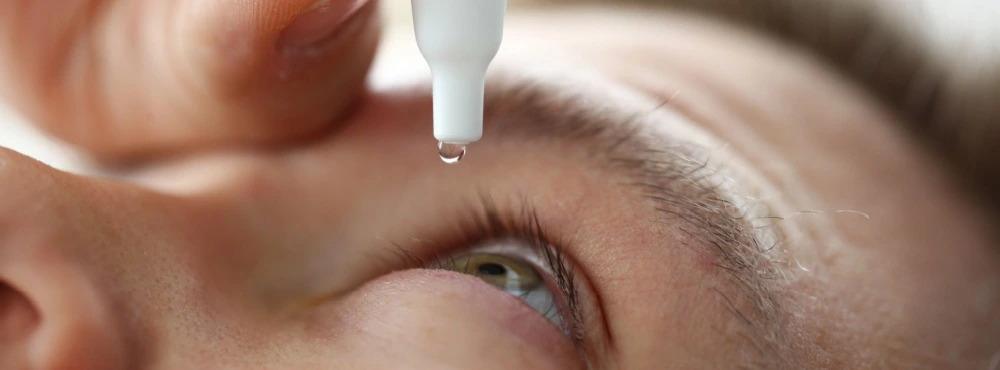
Eye drops are usually the go-to solution for dry, irritated or red eyes. They’re easy to use and can provide quick relief. However, overuse of eye drops can lead to various issues. Read on to learn about the risks and symptoms of overusing eye drops and how to use eye drops safely.
- Signs that you may be overusing eye drops
- Risks of overusing eye drops
- Facts about eye drops you should know
- Tips for using eye drops safely
- Frequently Asked Questions
Signs that you may be overusing eye drops
Most people don’t even notice when they’re overusing eye drops, simply because they believe the drops are offering some kind of relief to their eyes and are designed to maintain hydration and optimum eye health. However, after a point, some symptoms start to show.
Some of the most common symptoms of overuse of eye drops include:
- Persistent redness in the eyes
- Increased dryness in the eyes
- Stinging or burning sensation
- Temporary blurry vision
- Increased sensitivity in eyes over time
These signs often indicate that your eyes are reacting to frequent usage, especially if the drops contain preservatives.
Risks of overusing eye drops
The overuse of eye drops can lead to several short-term and long-term issues, such as:
1. The rebound effect
One of the most common issues of overusing eyedrops is the rebound effect. This means the original eye symptoms may return stronger than before when you stop using them. This happens because certain eye drops, such as decongestant eye drops, constrict the blood vessels in the eye to reduce redness temporarily. With frequent use, the eyes can adapt to this effect, causing symptoms to return more intensely once the drops are no longer used.
2. Masking underlying conditions
Another risk of overusing eye drops is that it can mask underlying conditions. This means that symptoms such as dryness, irritation or discomfort may be temporarily relieved without actually addressing the root cause. Conditions like eye strain, conjunctivitis (pink eye) and blepharitis may also go unnoticed, which can delay proper diagnosis and treatment.
3. Disruption of natural tears
The eye tear film plays an important role in protecting and hydrating the eyes. Overuse of certain eye drops may interfere with the eye’s natural tear balance, which in turn can contribute to dryness, irritation or discomfort over time.
Facts about eye drops you should know
There are a few important facts about eye drops that can help you use them more safely.
- Not all eye drops are identical. Various eye drops are designed for specific needs. Using an incorrect type can compromise their effectiveness and safety.
- Using eye drops more frequently than recommended does not improve their effectiveness. In fact, it may increase the risk of irritation.
- Eye drops are excellent at providing temporary relief. However, they are not a permanent fix. It is important to identify the underlying issue to get long-term comfort.
Tips for using eye drops safely
To avoid overuse of eye drops, it is important to use them as recommended, including the correct dosage and frequency. Below are some tips to use your eye drops safely and effectively:
- Always read the label and follow the instructions, recommended dosage and frequency
- Never share your eye drops, as it can lead to infections
- Wash your hands thoroughly before using and avoid touching your eye with the tip of the bottle
- If symptoms persist, visit your optician immediately
Frequently Asked Questions
1. Is it bad to use eye drops everyday?
It depends on the type of eye drops. Lubricating, preservative-free drops are generally fine for daily use. But medicated or redness-relief drops shouldn’t be used regularly unless advised by an eye specialist.
2.Can eye drops damage vision?
Eye drops don’t normally damage vision when used properly. However, using them too much can sometimes lead to irritation, dependency or blurry vision.
3. How to apply eye drops?
- Wash your hands thoroughly before using eye drops
- Tilt your head back slightly and pull down your lower eyelid
- Hold the dropper above the eye without touching it
- Only add the recommended number of drops into the eye
- Close your eyes gently for a few seconds to allow the drops to spread evenly and blink