Offers
 Account
 Menu
Menu Favourite
 Basket



 Need Optical Advice?









 Updated on:
10 February, 2026
Updated on:
10 February, 2026



 Copy Link



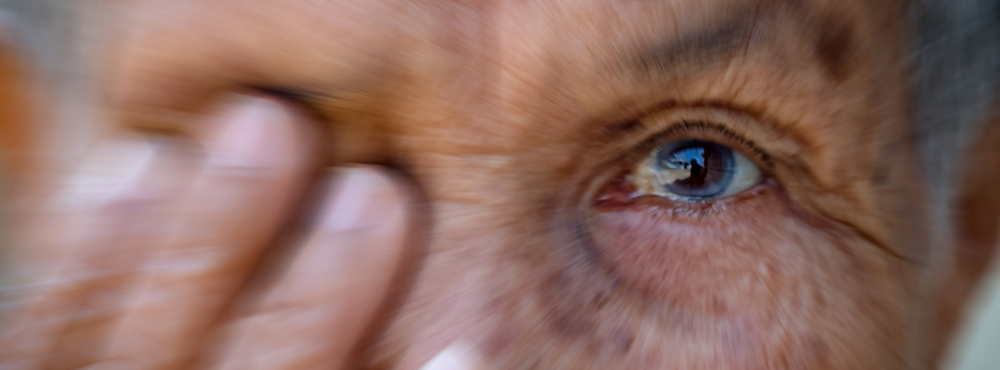
All of us experience blurry vision at some point in our lives. In most cases, it is linked to eye strain or a change in prescription. However, when it affects only one eye, it should not be ignored as it can be a sign of an underlying eye condition. Let’s learn about its causes, treatments and when to see a doctor.
- What is blurry vision in one eye?
- What are the causes of blurry vision in one eye?
- When to see a doctor?
- What are the treatments?
What is blurry vision in one eye?
Blurred vision in one eye is also known as monocular blurry vision. It causes objects to appear misty, hazy or out of focus in one eye. It can develop gradually or appear suddenly and is often caused by various factors.
What are the causes of blurry vision in one eye?
There isn’t one single cause of foggy vision in one eye. In most cases, the reason becomes clear after an eye test. Some of the common causes include everyday vision issues and eye health conditions, such as:
1. Refractive issues
Refractive error occurs when light does not focus directly on the retina, resulting in cloudy or blurred vision. Some examples are:
- Changes in prescription
2. Dry eyes
When the eyes do not produce enough tears, your vision may appear blurred. Dry eyes can usually be managed with lubricating eye drops but they are very common, especially with:
- Long screen hours
- Heated or air-conditioned rooms
- Wearing contact lenses
3. Eye strain
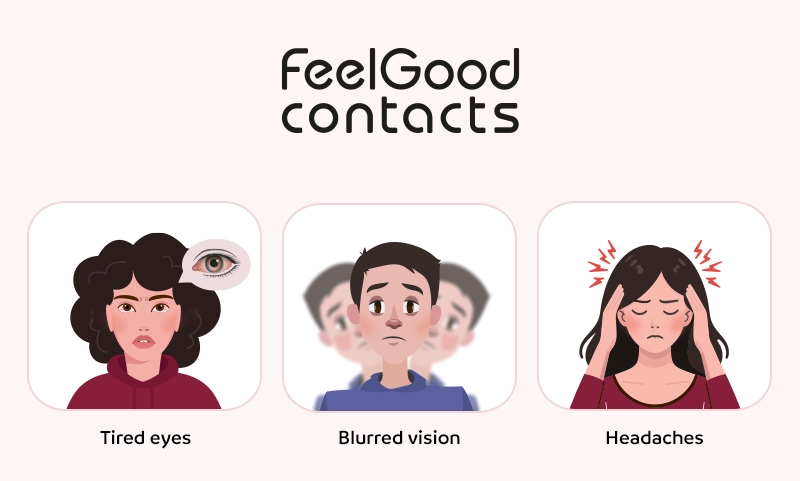
Long periods of reading, phone use or screen work can cause eye strain. While it often affects both eyes, some people may notice the following symptoms in one eye, such as:
4. Eye floaters
These appear as small shapes or specks moving across your vision. They are usually harmless and are noticeable in bright conditions.
5. Eye Injury
Any injury, such as a scratch to the eye, can make your vision blurry. Even small scratches from a contact lens can cause pain, discomfort or blurred vision.
6.Cataracts
Cataracts cause the natural lens inside the eye to become cloudy and opaque over time. Due to this, less light enters the eye and you may notice:
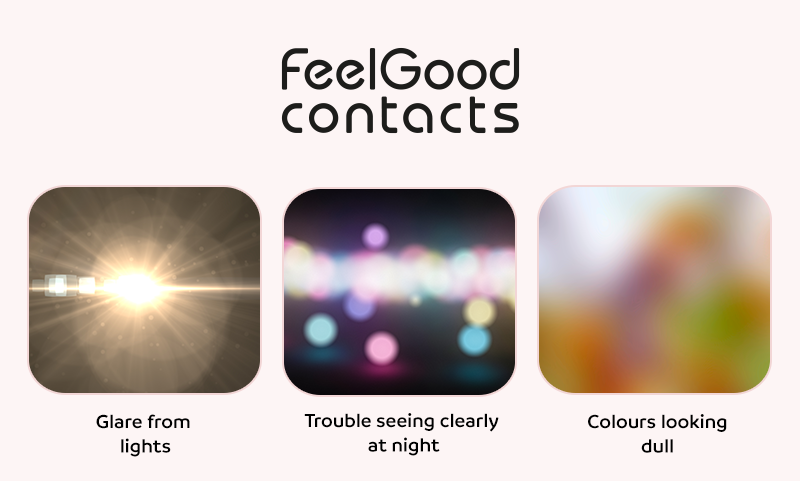
7. Macular degeneration
Macular degeneration affects the central region of the retina (macula), responsible for detailed vision, leading to distorted or blurred vision.
8. Retinal migraine
It can cause temporary blurred vision or vision loss in one eye. It is also associated with short episodes of flashing lights or patterns. However, frequent occurrences should be assessed by a doctor to rule out other causes.
When to see a doctor?
The NHS recommends having an eye test at least every two years, so that any potential eye issues can be monitored in time. You should immediately book an eye test with your doctor if you face any of these symptoms as they can be signs of serious eye conditions that need immediate treatment:
- Flashes of light
- Any new floaters or changes in shape & size of floaters
- A dark shadow moving across your vision
- Eye pain or swelling
- Blurred vision after an injury
What are the treatments?
Treatment depends on the underlying issue and may include:
- Corrective lenses: Myopia or hyperopia can be corrected with prescription glasses or contact lenses.
- Medications: Treatment may include eye drops or other medications, depending on the underlying cause.
- Medical interventions: Cataracts, retinal detachment and advanced glaucoma (classified as a group of eye conditions that affect the optic nerve) may need specialised intervention for effective treatment.
- Lifestyle changes: Reducing screen time, use of appropriate lighting and following the 20-20-20 rule can also reduce eye strain.
- Getting regular eye exams: If you're diabetic or have been diagnosed with glaucoma, it's important to have regular eye checkups.
Blurred vision in one eye can be a very uncomfortable experience and may be a vital sign of a progressing eye condition. Always pay attention to new or sudden changes in your sight to help protect your vision and overall health. If you notice sudden changes or something does not feel right, seek immediate medical attention.