Offers
 Account
 Menu
Menu Favourite
 Basket



 Need Optical Advice?








 Updated on:
14 August, 2026
Updated on:
14 August, 2026


 Copy Link



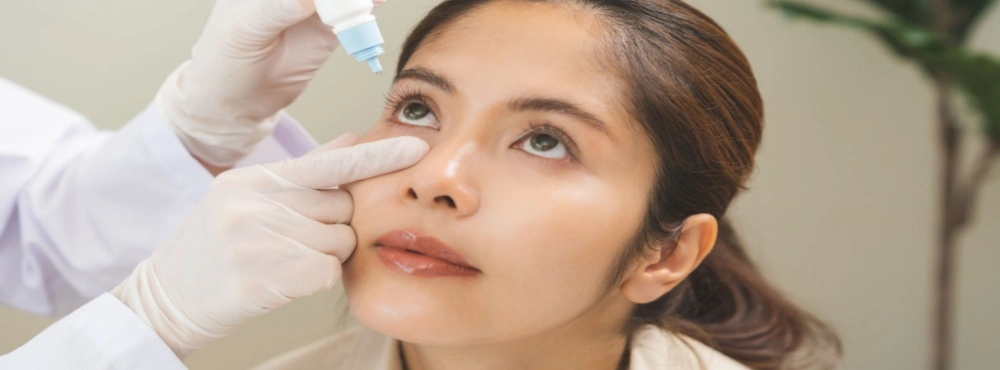
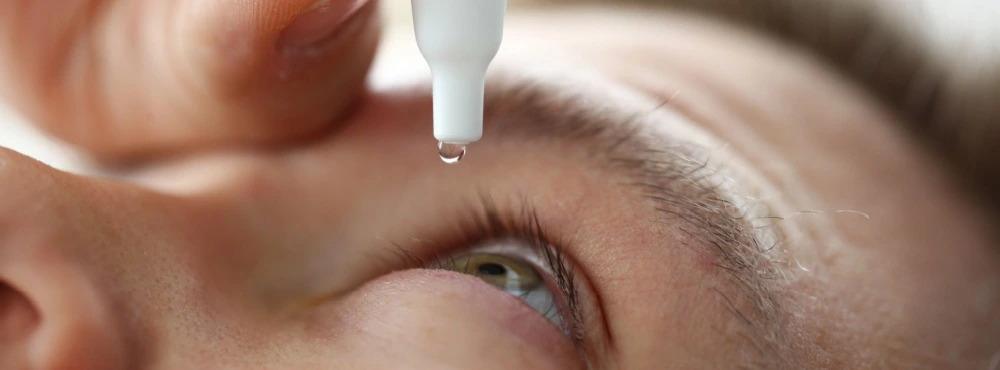
Allergy eye drops are specially formulated solutions used to relieve the symptoms of eye allergies. These symptoms often happen when your eyes come into contact with allergens such as pollen, dust, pet dander or mould. When allergens enter the eye, the body reacts by releasing a substance called histamine. This can make your eyes feel itchy, swollen and irritated. Allergy eye drops help reduce this reaction and provide relief.
- Symptoms of eye allergy
- How do eye allergy eye drops work?
- Types of allergy eye drops
- Best allergy eye drops
- Right steps to use eye drops
- Tips to reduce eye allergies symptoms
- When to see a doctor?
- Frequently asked questions
Symptoms of an eye allergy
Common signs and symptoms of eye allergies include:
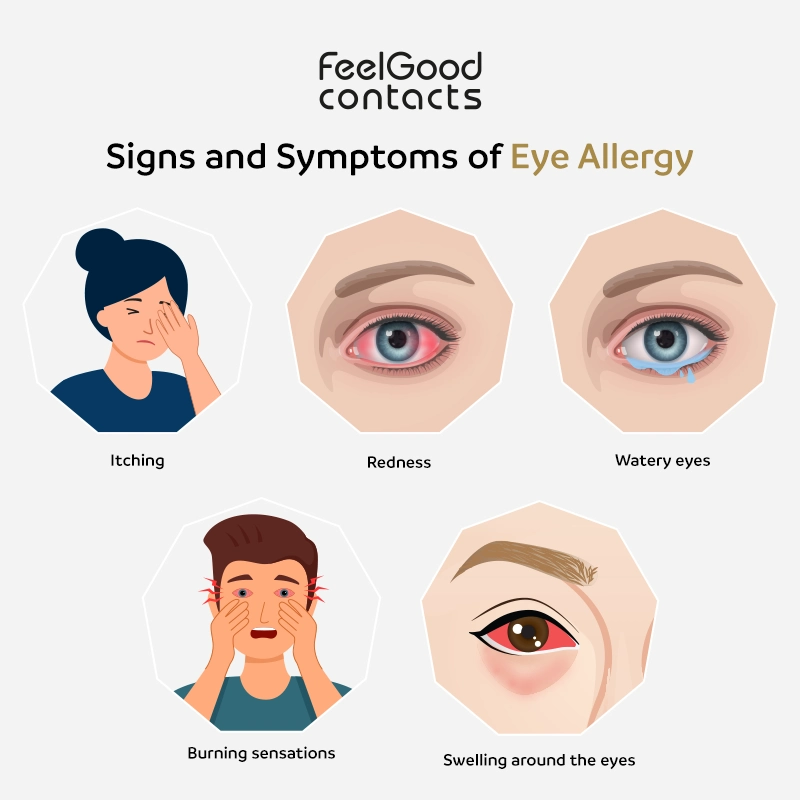
- Itchy eyes
- Red eyes
- Watery eyes
- Burning sensations
- Swelling around the eyes
There are some eye drops that are designed to be used before exposure to allergens, for example, during high pollen seasons, to help prevent symptoms from developing. Always follow the instructions on the packaging or as advised by an eye care professional while using any kind of eye drops.
How do allergy eye drops work?
Allergy eye drops are designed to be applied directly to the eyes, where the symptoms occur. This means they can provide quicker, more targeted relief compared to tablets that work throughout the whole body. They help ease the common symptoms of allergy, such as itching and redness. These symptoms happen when allergens trigger the release of histamine. Histamine is a chemical which causes irritation and inflammation in the eyes. Depending on the type of allergy, these eye drops work by blocking the effects of histamine, preventing its release or calming the inflammation in the eyes.
Tina Patel, Contact Lens Optician at Feel Good Contacts, says “Using allergy eye drops as a preventative measure can make a real difference, especially during high pollen periods. Starting early can help keep symptoms under control before they flare up.”
Types of allergy eye drops
There are various types of allergy eye drops, and each works in a slightly different way.
1. Antihistamine eye drops
These help block histamine, the substance that causes allergy symptoms. They are often used for quick relief from itchy and red eyes.
2. Mast cell stabilisers
These drops help prevent the release of histamine in the first place. They are usually used regularly and may take a few days to work properly.
3. Combination drops
These contain both an antihistamine and a mast cell stabiliser. They provide both quick and long-lasting relief.
4. Lubricating (artificial tear) drops
These do not treat the allergy itself but help wash away allergens from the surface of the eye and keep the eyes moist and maintain the hydration.
5. Decongestant eye drops
These can reduce redness and bloodshot eyes by reducing the size of dilated blood vessels under the conjunctiva. However, they are usually not recommended for long-term use as they may cause rebound hyperemia.
6. Steroid eye drops
These are used to treat more severe allergy symptoms by reducing inflammation in the eyes. They can help relieve redness, swelling and irritation when other treatments are not enough. However, they should only be used under medical supervision, as long-term use may have side effects.
Most recommended allergy eye drops
The type of drops that will be recommended to you, or that work best for you, will depend on your symptoms and how often they occur. It is essential to consult with your eye care practitioner or GP to get tailored advice based on your symptoms.
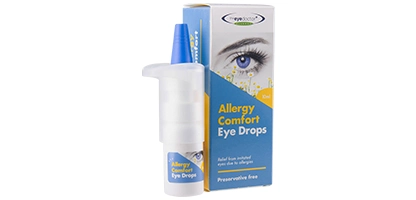
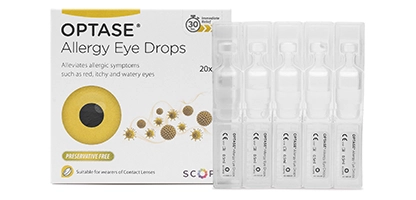
The Eye Doctor Allergy Comfort Eye Drops and Optase Allergy Preservative‑Free Eye Drops are both popular choices among opticians, as they soothe itching, redness and irritation effectively. These options are suitable for regular use during allergy‑prone periods and are well‑tolerated by most people.
Right steps to use eye drops
Using eye drops correctly is important for getting the best results and avoiding irritation. Always follow the instructions mentioned on the pack or given by your optician. Some of the steps of applying most of the eye drops include:
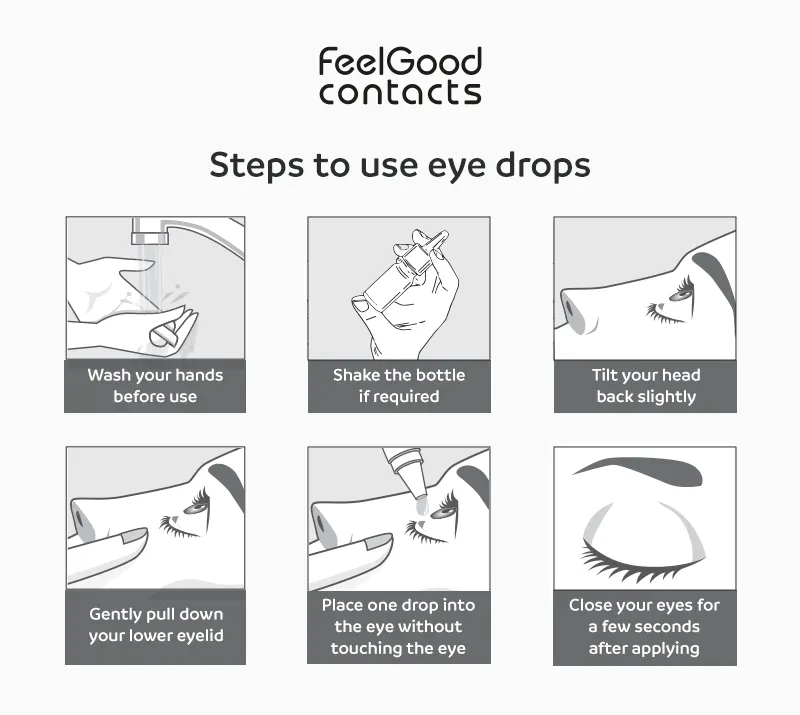
- Wash your hands before use
- Shake the bottle if required
- Tilt your head back slightly
- Gently pull down your lower eyelid
- Place one drop into the eye without touching the eye with the bottle tip
- Close your eyes for a few seconds after applying
If you wear contact lenses, remove them before using allergy eye drops, unless the product states it is safe to use with lenses.
Tips to reduce eye allergies symptoms
Along with using allergy eye drops, there are simple tips that you can follow to reduce the symptoms and chances of having an eye allergy:
- Do not rub your eyes
- Keep windows closed during high pollen days
- Wash your hands and face regularly
- Use a clean towel and do not share it
- Wear UV-protective sunglasses outdoors to protect your eyes
These small changes can help reduce exposure to allergens and provide comfort.
When to see a doctor?
You should speak to an eye care professional if:
- Your symptoms are severe
- The drops do not help after a few days
- You have pain in the eyes
- Your vision changes
- You are unsure which product to use
Getting the right advice ensures your eyes are treated safely and effectively.
Frequently asked questions
Can allergy eye drops be used with other allergy medicines?
Allergy eye drops can be used alongside other allergy treatments such as tablets or nasal sprays. However, it is best to check with an eye care professional to ensure they are safe to use together.
How long can I use a bottle after opening it?
Eye drops should be used as stated on the packaging or as advised by your eye care professional.