Offers
 Account
 Menu
Menu Favourite
 Basket



 Need Optical Advice?









 Updated on:
09 June, 2026
Updated on:
09 June, 2026



 Copy Link



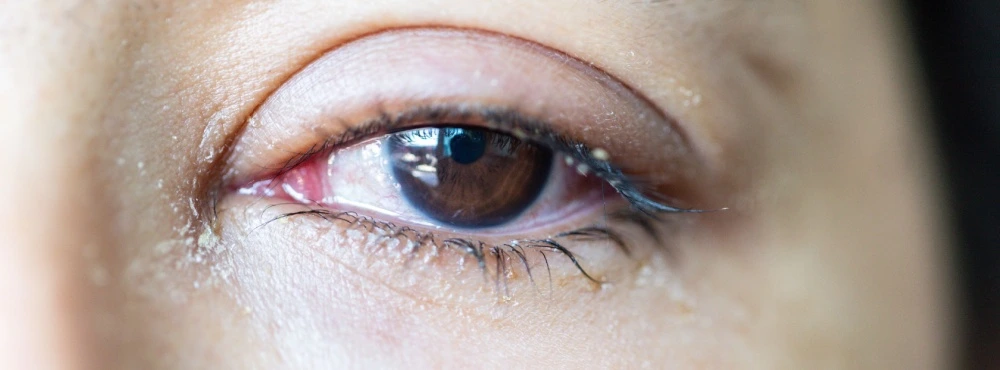
Watering eyes, also known as epiphora, is a common condition that can occur at any age, but is particularly common in young babies (below 12 months of age) and older people (above 60 years of age). This condition can either affect one or both eyes.
Watering eyes can lead to blurry vision, discomfort, sore eyelids, eye irritation or sticky eyes. This eye condition generally gets better on its own. However, if it affects your daily activities, persists or results in swelling or lumps around your eyes, then you should consult an eye care professional.
- Symptoms of watering eyes
- Causes of watering eyes
- Watery eyes in the elderly
- Treatment of watering eyes
Symptoms of watering eyes
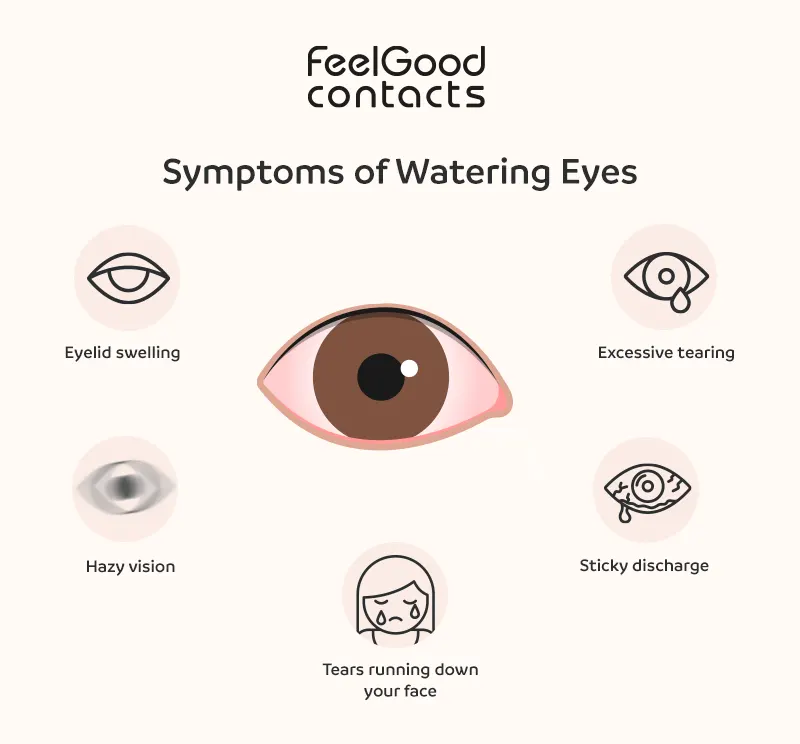
Some signs that you have watery eyes are:
- Very watery or wet eyes all the time
- Eyes filled with tears, even if you’re not laughing or crying
- Tears running down your face
- Watery or sticky discharge from the eyes
- Hazy vision due to excessive moisture
- Eyelid swelling
Causes of watering eyes
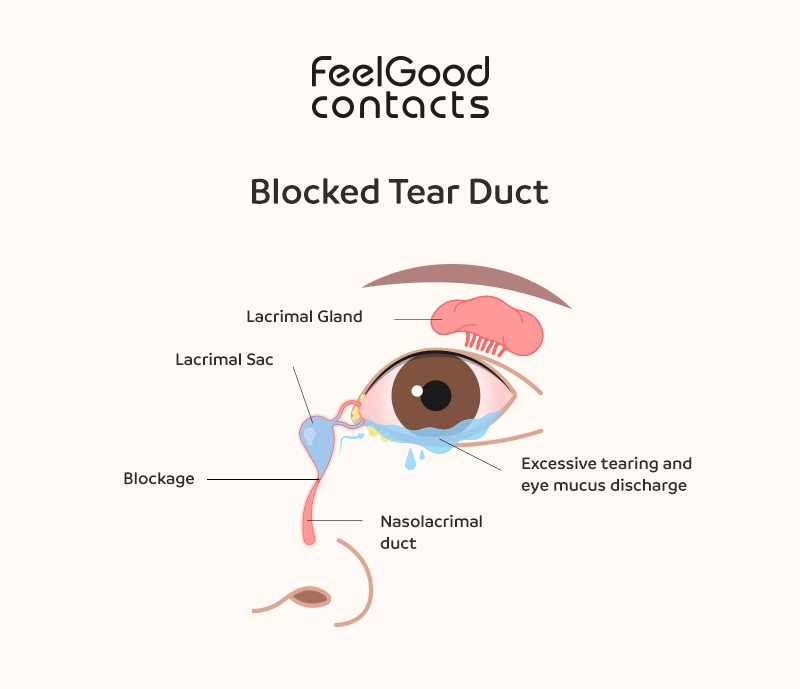
Khuram Sarwar, in-house Dispensing Optician at Feel Good Contacts, explains, “Watery eyes occur when the eyes produce excessive tears or they are unable to drain away the tears properly.”
Generally, the eyelid glands (meibomian glands) secrete an oily substance that slows down the evaporation of tears between blinks. When these glands don’t function properly, dry patches form on the eyes, which is known as dry eye syndrome (DES). As a reflex, the eyes produce extra tears, resulting in watery eyes.
It is normal to become teary-eyed in cold, windy or smoky environments. An eye injury or a foreign object in your eye (like grit or an eyelash) can also cause watery eyes. In babies, watering eyes often occur because their tear ducts (small tubes that drain tears) are not fully developed. However, the condition often gets better when they are a few weeks old.
Some other causes of watery eyes include:
- Blocked tear ducts
- Eye infections or allergies (like conjunctivitis)
- Eyelid problems like rolling inwards, drooping or sagging lower eyelid (ectropion), which makes it difficult for the tears to reach the drainage ducts
- Eyelid inflammation
- Eye irritation, such as from grit or chemical fumes
- Dry eyes
- Bell’s palsy
- Certain medicines and cancer treatments
Watery eyes in the elderly
Older people often face health issues, including eye conditions such as teary eyes. In most cases, watery eyes in the elderly are a sign of eye irritation or allergies. However, they can also be a symptom of an underlying eye condition. It is essential to identify these issues early to avoid any complications later. Some causes of watery eyes in the elderly include:
- Droopy or sagging lower eyelids
- Cataracts (cloudy or misty vision)
- Dry eye syndrome
- Meibomian gland dysfunction (MGD)
- Eye infection and inflammation
- Blocked tear ducts
- Certain autoimmune diseases like lupus, Sjögren’s syndrome or rheumatoid arthritis
Treatment of watering eyes
Although watering eyes resolve without any treatment, if they don’t, you can take the following measures to treat them.
- Clean your eyes: If there is any foreign object in your eyes, such as a piece of grit, remove it and rinse your eyes.
- Place a warm, wet towel on your eyes: Do this several times a day to unblock narrowed tear ducts.
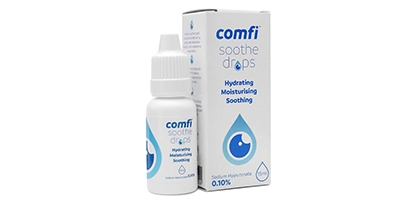
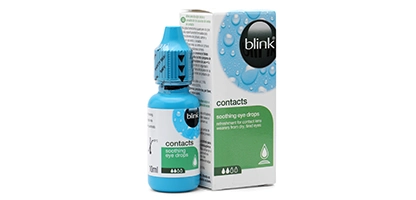
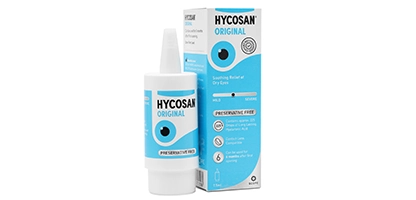
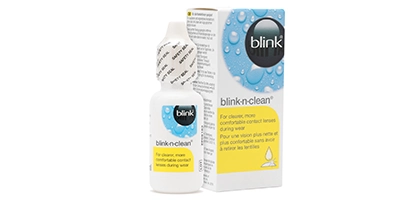
- Use eye drops: Use lubricating eye drops such as Hycosan Extra preservative-free eye drops, artificial tears, gels, ointments or sprays when your eyes feel dry.
- Protect your eyes: Wear 100% UV-protective sunglasses to shield your eyes from harmful UVA and UVB rays, glare and dust particles.
- Take medicines: You can take certain medicines like antihistamines if you have an allergy or antibiotics if you have an eye infection.
- Consult an eye doctor: Your optometrist will perform an eye test to identify the cause of your watery eyes and recommend ways to improve your eye health.
- Go for surgery: Blocked tear ducts can be corrected with a small surgical procedure. A new tear drainage system can be created in this surgical process, known as dacryocystorhinostomy (DCR).
It’s natural to have watery eyes sometimes, but if you have them often and they affect your daily activities, then you should consult an eye care specialist. They will perform an eye test to help you better understand your eye condition.