Offers
 Account
 Menu
 Favourite
 Basket


 Need Optical Advice?








Tina Patel
Contact Lens Optician
Tina Patel is a qualified Contact Lens Optician at Feel Good Contacts and a member of the Association of British Dispensing Opticians (ABDO). Tina is registered with the General Optical Council (GOC) and adheres to their guidelines. She achieved a BSc (Hons) in Optical Management in 2002 from Anglia Ruskin University, Cambridge and qualified as a Dispensing Optician. In 2007, Tina went on to qualify as a Contact Lens Optician. With over 25 years of experience in the optical industry, she has worked for a leading high street optician where she would fit and prescribe suitable contact lenses, and contact lens solutions to customers. Tina also currently teaches at City, University of London.
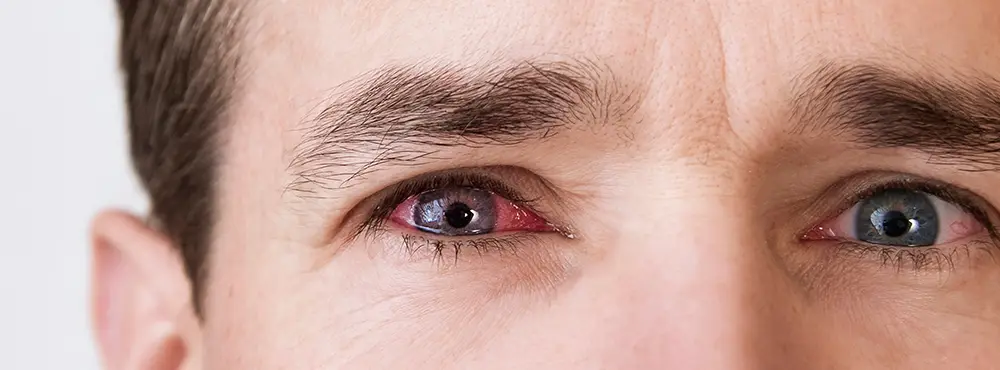
Conjunctivitis
Conjunctivitis or 'pink eye', is a common eye condition caused by inflammation of the conjunctiva. The conjunctiva is the thin layer of tissue, mostly transparent, consistency similar to a jelly fish, that covers the front of the eye, with the exception of the cornea.
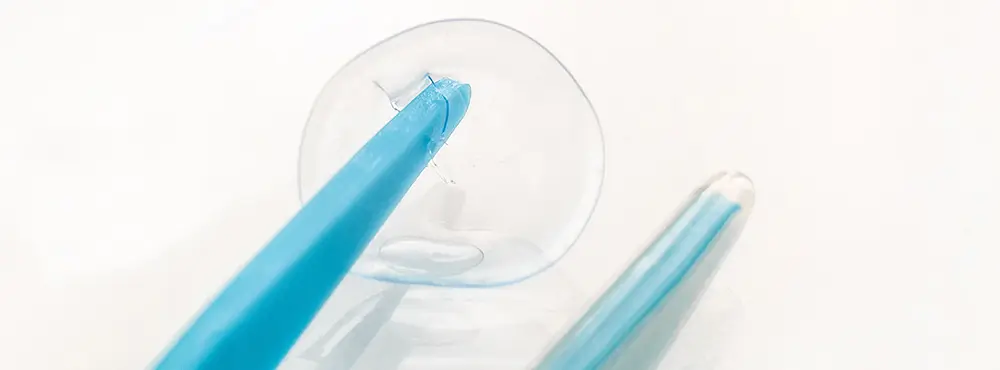
How to get a broken contact lens out of your eye
In the unlikely event that a contact lens tears or splits while you are putting it in, you may experienceredness, irritation, watery eyes or the that something is stuck in your eye. A torn contact lens stuck in your eye may not come out as easily as a whole lens, so it is important to remove it gently and with care. Make sure not to panic or rub your eye, as it can make the irritation worse. If you cannot remove the lens or experience persistent or significant discomfort, redness, light sensitivity or blurred or reduced vision, you should seek prompt help from an optometrist or eye care professional.
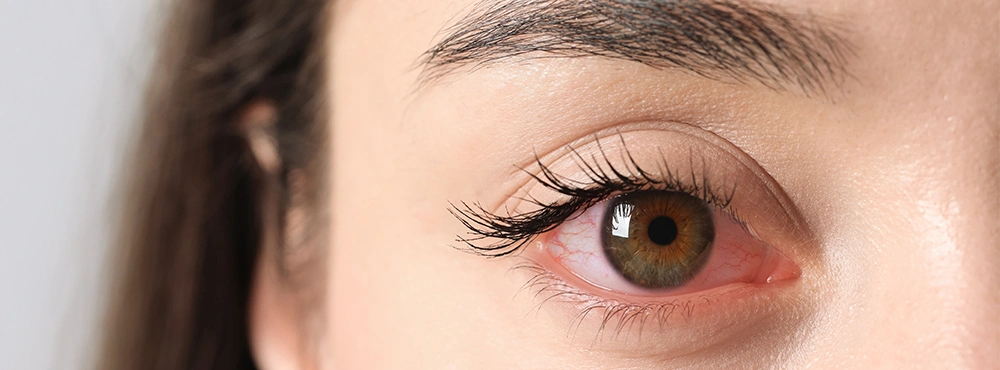
Difference Between Common and Serious Eye Infections
An eye infection occurs when microorganisms such as bacteria, viruses, fungi or other germs infect part of the eye or its surrounding tissues, causing inflammation or, in some cases, tissue damage. They can affect various parts of the eye or its surrounding area, such as the eyelids, conjunctiva (the thin, clear membrane that covers the white part of the eye), cornea (the clear outer layer that covers the front of the eye) and internal eye structures. While some eye infections can be mild, others can be more serious and require immediate medical attention. Read on to understand the key differences between the main types of infections.
How to Read Your Contact Lens Prescription
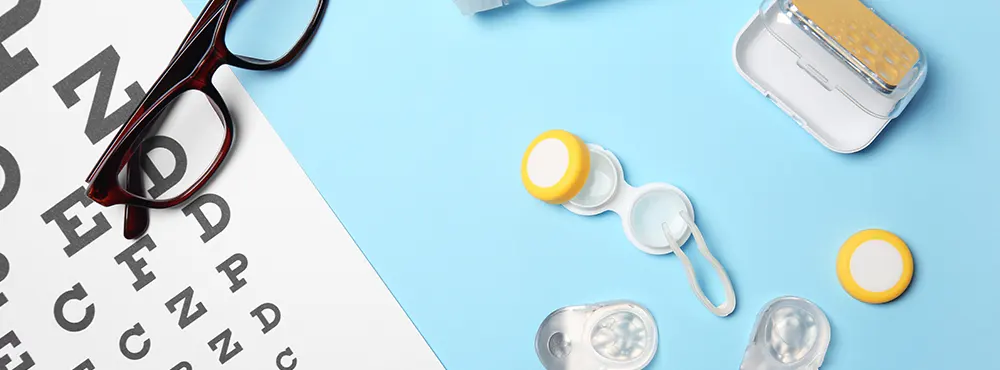
If you wear contact lenses regularly, you may already know how to read your contact lens prescription. However, the terms and values on an eye prescription can be confusing for some individuals. So, here in this useful guide, ‘how to read an eye prescription’ is explained in detail so you can understand what each of the values on your contact lens prescription means. Let’s start by understanding how to get an updated contact lens prescription.

Hot Eye Compress vs Cold Compress: When to Use Each?
Eye compresses are an effective way to manage a variety of eye and eyelid conditions. They can be applied either warm or cold, depending on the underlying cause. A hot eye compress, should not be used around the eye as the area is very sensitive. However, a warm compress is often recommended for conditions linked to blocked oil glands and dry eyes, while a cold eye compress is typically used to ease swelling, inflammation and irritation. Knowing when to use each type can help you choose the right one to improve comfort and support the healing process.
Albinism
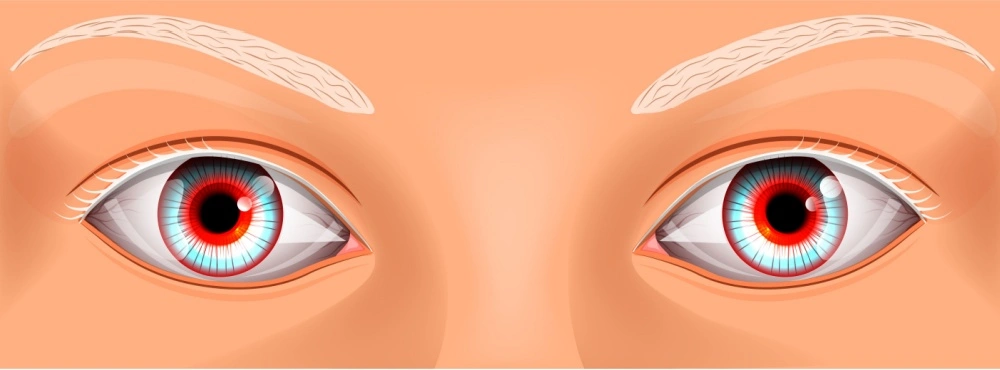
Albinism is a rare genetic condition that affects the production of melanin in the body - pigment responsible for the colour of your skin, hair and eyes. Melanin plays a crucial role in the development of your optic nerve, lower melanin levels can lead to mild to severe vision problems. People with albinism are born with it and it lasts throughout their lives. With the right care and support, this condition can be effectively managed. Let’s learn more about albinism step-by-step.

Allergy Eye Drops: Uses, Types and How They Work
Allergy eye drops are specially formulated solutions used to relieve the symptoms of eye allergies. These symptoms often happen when your eyes come into contact with allergens such as pollen, dust, pet dander or mould. When allergens enter the eye, the body reacts by releasing a substance called histamine. This can make your eyes feel itchy, swollen and irritated. Allergy eye drops help reduce this reaction and provide relief.

Preservative-Free Eye Drops: Types, Benefits, Uses and Side Effects
Preservative-free eye drops are lubricating eye drops that do not contain preservatives. Preservatives are chemicals usually added to eye drops to prevent bacterial growth inside the bottle after it has been opened. While they help keep the product safe for longer use, they are not always suitable for everyone. Preservative-free eye drops are specially designed to avoid these chemicals, making them a safer and more suitable option for many users, even those with sensitive eyes.
Optic Neuritis
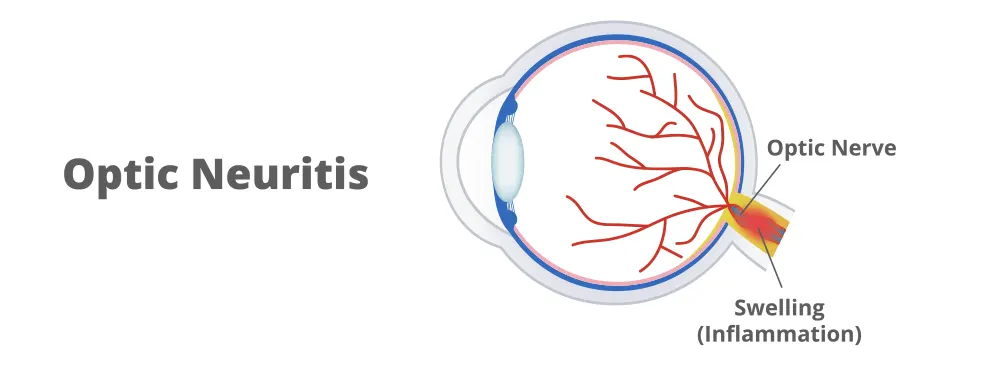
Optic neuritis is a condition that affects the optic nerve, which carries messages from the eyes to the brain. The optic nerve has a protective covering called myelin that helps signals travel smoothly between the eyes and the brain. In optic neuritis, the myelin becomes damaged, making it harder for the nerve to work properly. The condition often develops quickly over a few days, causing symptoms such as blurred or dim vision, reduced colour vision, blind spots, and pain when moving the eye. While these symptoms can feel frightening, most people recover good vision, though some may have lasting visual symptoms.
Best Eye Drops to Buy in 2026
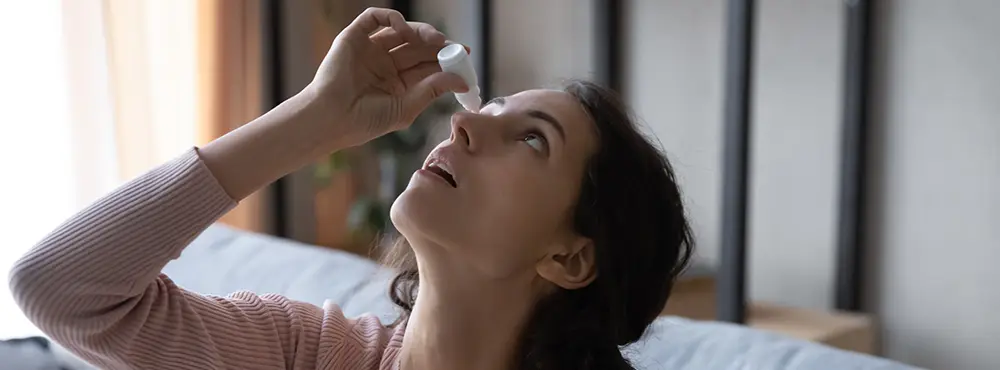
When your eyes feel dry, sore, itchy or constantly watery, finding the right eye drops can make all the difference. This guide explores some of the best eye drops for common eye concerns, helping you find the most suitable option for your needs.
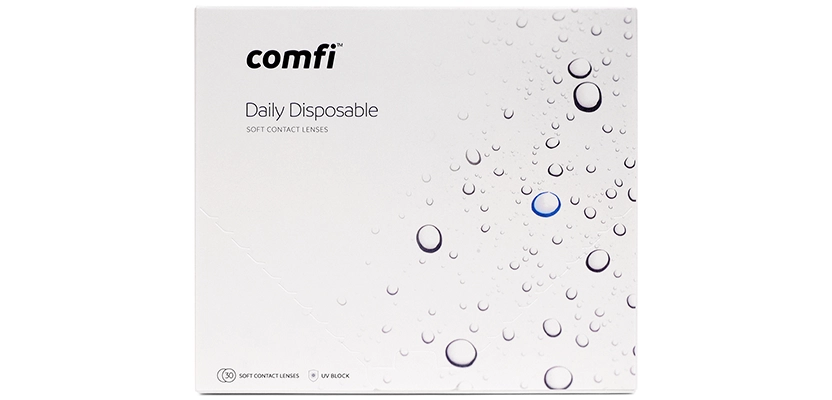
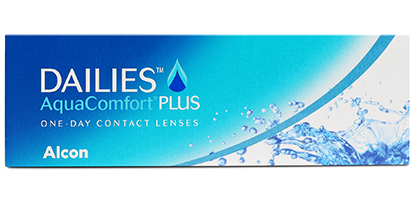
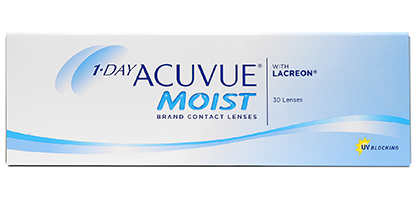
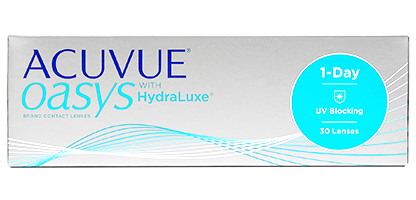
Bestselling Daily Disposable Contact Lenses for 2026
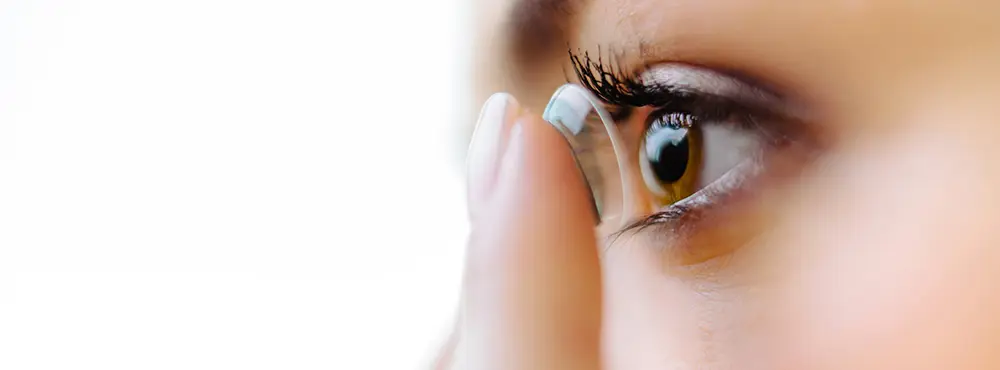
Daily disposable contact lenses continue to be one of the most popular choices among lens wearers due to their convenience, comfort and hygiene. Designed for one-time wear only, these contact lenses are discarded at the end of the day, eliminating the need of maintenance involving cleaning solutions or storage cases. Wearing a fresh pair every day can also help minimise the daily build-up of deposits on the lens surface, making them a comfortable and practical option for many wearers, especially those with active lifestyles.
Eye Strain
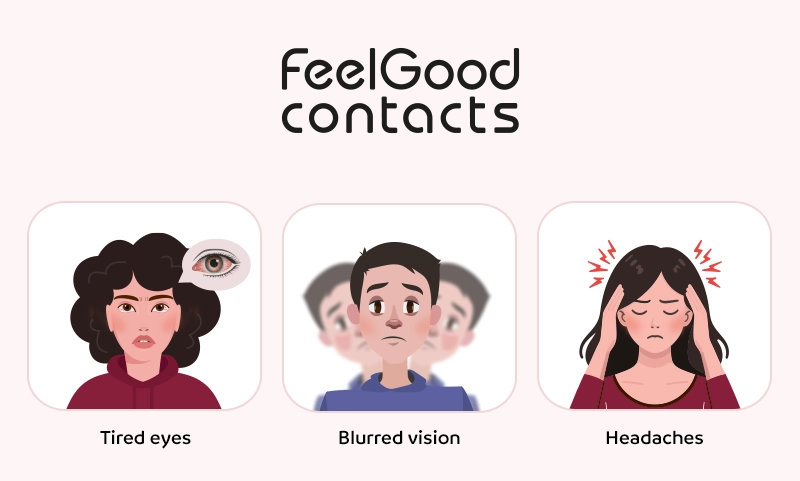
Eye strain, also known as asthenopia or eye fatigue, is a common condition that occurs when your eyes become extremely tired from focusing on something for a long time. This usually happens while reading, using digital devices (such as smartphones, laptops and tablets) for a prolonged period or driving long distances.

Our Top 10 Contact Lenses for 2026
Feel Good Contacts has put together a list of the top-selling contact lenses for 2026 from renowned brands, including Johnson & Johnson, Alcon, CooperVision, Bausch & Lomb and more. From their unique formulations to advanced technologies and features, learn everything about these lenses that make them bestsellers.

Pterygium: Causes, symptoms and treatment
Pterygium is sometimes referred to as surfer’s eye and is pronounced tur-rij-ium. A Ptergium is a benign (non-cancerous) growth and is a pink, fleshy tissue which has blood vessels and grows on the conjunctiva (the clear, thin membrane that covers part of the front surface of the eye and the inner surface of the eyelids). It is often shaped like a wedge and usually appears on the side of the eye, usually near the nose. In more extreme cases, it can cover the pupil and cause vision problems. If you have more than one growth, the plural term for pterygium is pterygia (tur-rij-ee-ah). If it affects both eyes, it is known as bilateral pterygium.
Cataracts: Types, Symptoms and Treatment
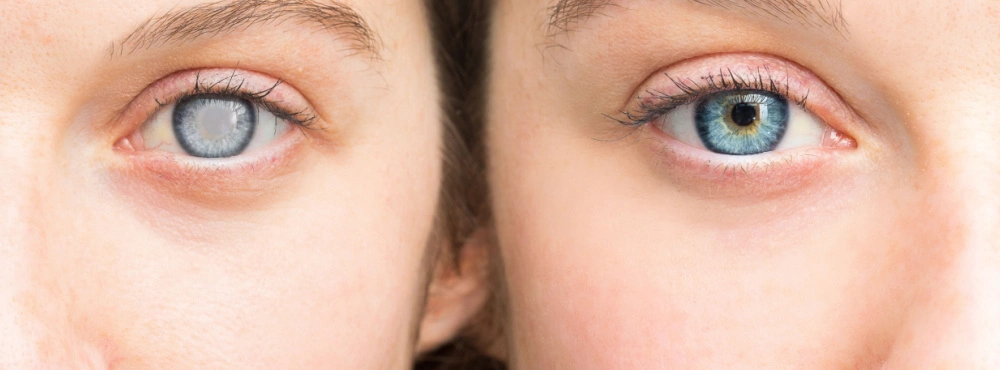
Cataracts are among the most common age-related eye conditions and a leading cause of blindness worldwide. In fact, their global impact is so significant that a dedicated Cataract Awareness Month is observed each year in June to raise awareness, promote early detection and encourage timely cataract treatment. Whether you are experiencing changes in your eyesight or simply want to learn more about eye cataracts, this guide covers everything from cataract causes and symptoms to cataract surgery and prevention.