Offers
 Account
 Menu
Menu Favourite
 Basket



 Need Optical Advice?














How do blue eyes get their colour?
Eye colour depends on the amount of melanin (the pigment responsible for the colour of your eyes, skin and hair) your eyes have, how it’s spread out, and the way light scatters within it. The more melanin you have, the darker your eyes will appear.
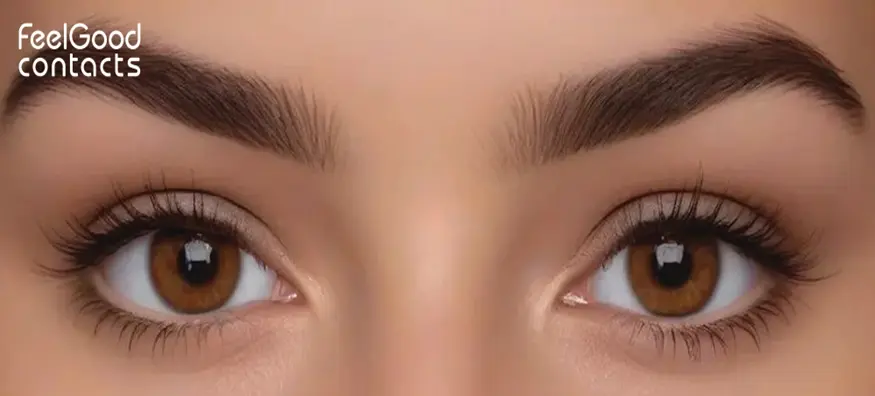
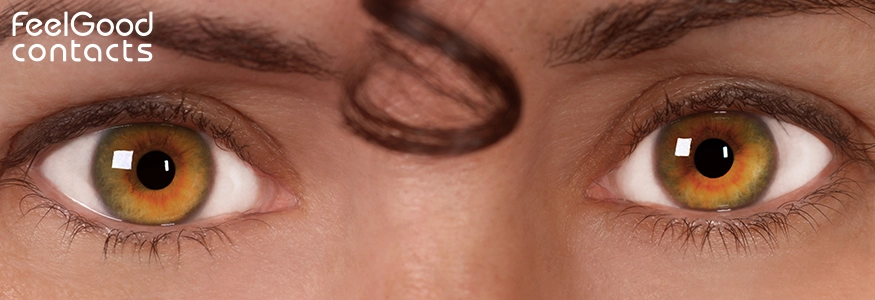
For example, brown eyes have more melanin, which absorbs more light and gives them a darker colour. Green eyes have a moderate amount of melanin, which absorbs some light but still allows light to scatter, giving them their green colour. However, blue eyes have very little melanin to absorb light. This means the light scatters inside the eye, scattering shorter blue wavelengths back towards the viewer, an effect called Rayleigh scattering.
Is blue eye colour more prone to certain health risks?
Besides helping your eyes give their colour, melanin also helps protect them from harmful UV rays. Because blue coloured eyes have less melanin, they can be more prone to light sensitivity (photophobia). Wearing UV-protective sunglasses and avoiding prolonged exposure to harsh sunlight can help keep your eyes comfortable and healthy.
People with lighter coloured eyes, including dark blue eyes, also have a slightly higher risk of a rare condition called ocular melanoma (a type of eye cancer). While it’s uncommon, regular eye check-ups are always a good idea.
Different shades of blue eyes
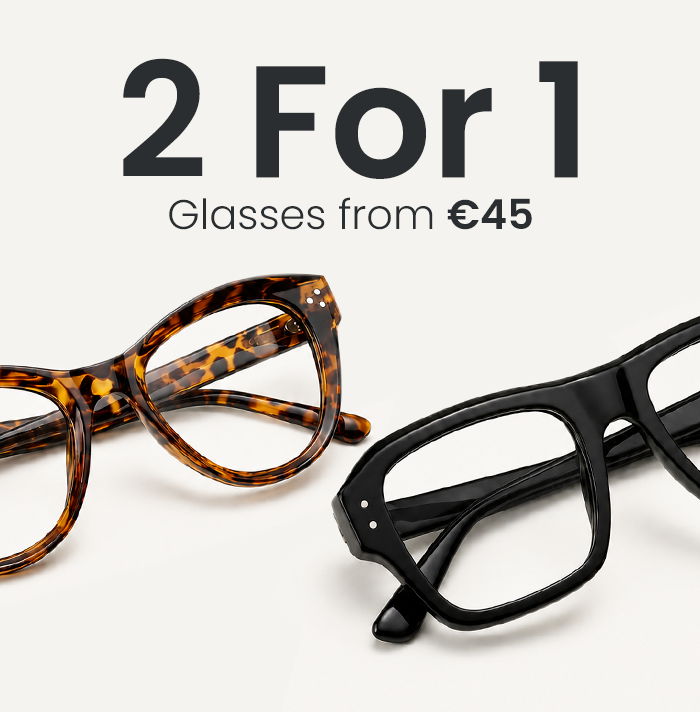
Not all kinds of blue eyes are the same. Slight variations in melanin levels and the structure of the iris can create different shades, such as:
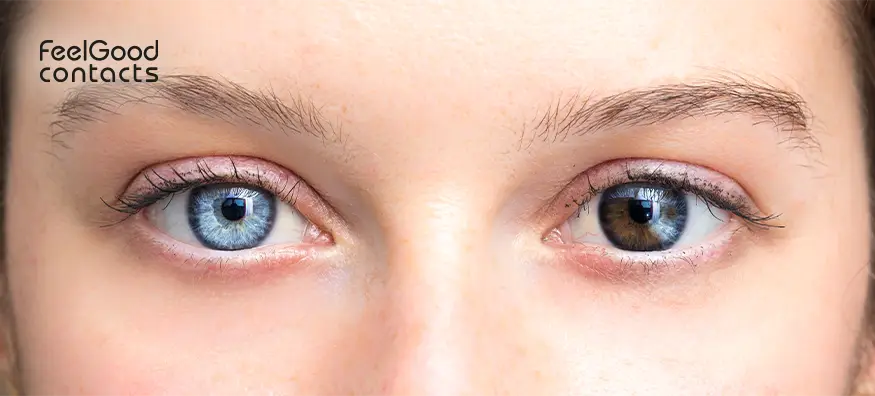
- Deep Blue: This deep, dark blue eye colour has a higher density of collagen fibres and light-scattering properties, giving a rich, intense shade of blue.
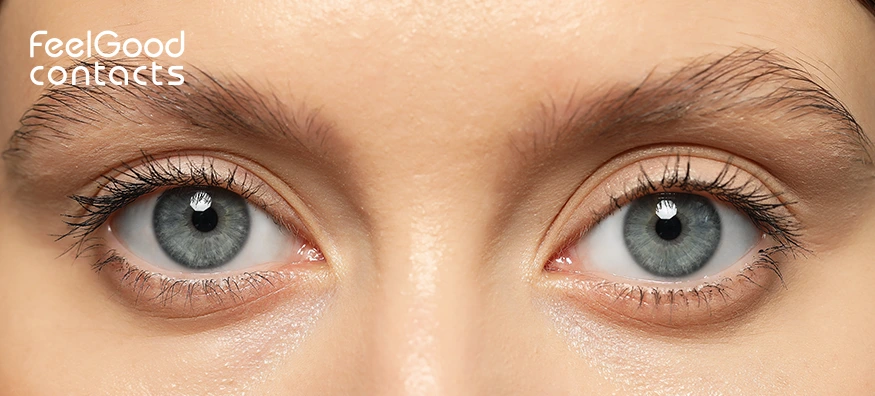
- Pale Blue: Featuring a pale blue shade, these eyes have a lower collagen density and minimal melanin. They appear silvery or frosty from afar, appearing almost like grey eyes. Such eyes shift colours subtly in different light settings.
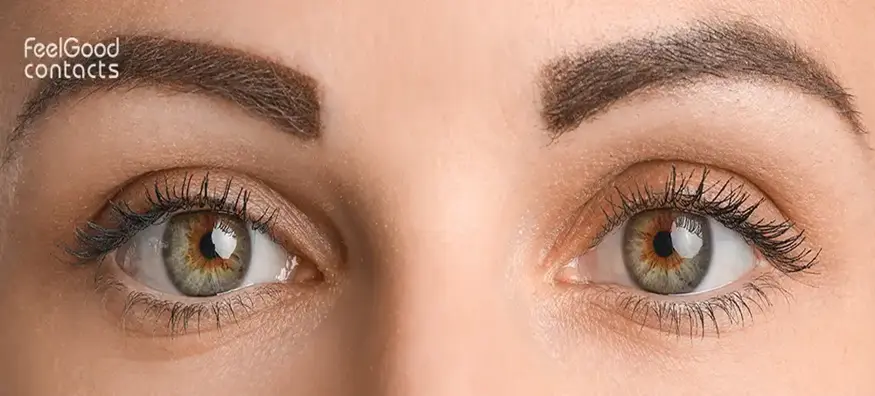
- Turquoise: These blue coloured eyes with a hint of green are created when a small amount of yellowish or amber pigment mixes with the blue scattering effect, giving out a soft shimmer look in light.
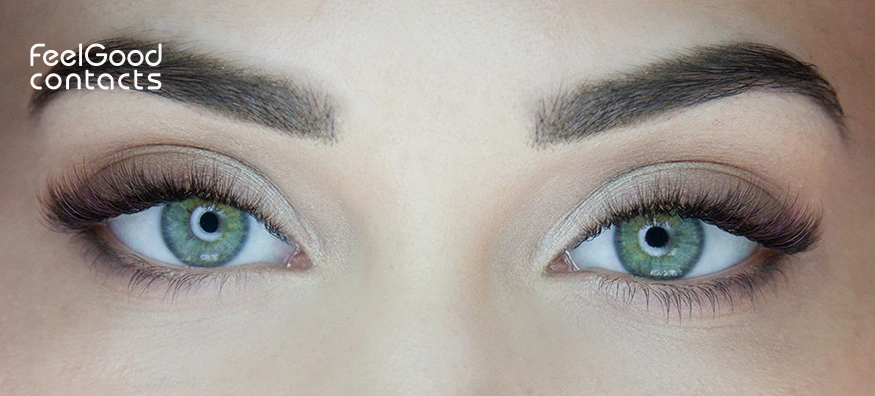
- Blue-Green: In blue-green eyes, the blue scattering effect mixes with tiny amounts of yellow/amber pigment to radiate a greenish tint.
Did you know these fun facts?
- Only about 8-10% of the world’s population has blue coloured eyes, making them rare.
- Often associated with mystery and charm, blue colour in eyes is believed to be very attractive.
- According to research at the University of Copenhagen, people with blue eyes share a common ancestor. A single genetic mutation caused the reduction in melanin, leading to the first ever blue eye colour.
Celebrities with blue coloured eyes
Daniel Radcliffe

Megan Fox

Zac Efron

Alexis Bledel

Which coloured lenses look good on blue eyes?
While blue eyes look stunning on their own, it’s fun to experiment with coloured contact lenses. Whether you want to enhance your eye colour or perhaps try a new shade, here are some contact lenses that complement the beauty of blue eyes:
1. Brown or amber
Warm tones like brown or amber contrast beautifully with blue colour, giving them a more striking look.
2. Green or turquiouse
If you want to mix things up, green or turquoise colour will give your eyes a unique tone. These lenses blend well with blue eye colour, giving them an ocean-like look.
3. Grey
Grey contact lenses can instantly intensify the blue colour, making your eyes look bold, icy and unique.
Which glasses look good on blue eye colour?
If you have dark or light blue eyes, choose glasses in cool or complementary tones. These shades bring out the brightness and depth of the blue colour.
- Grey and silver frames pair beautifully and highlight cool undertones without overpowering them.
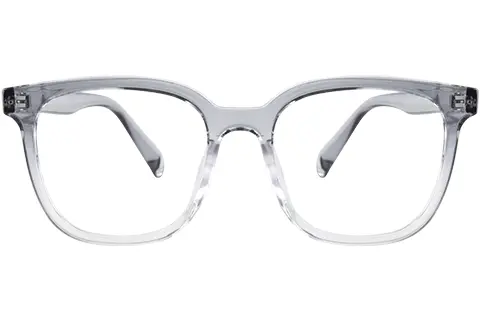
- Brown and tortoiseshell frames add warmth and contrast, making them appear even more vivid.
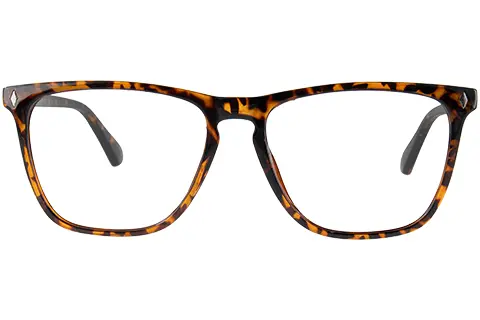
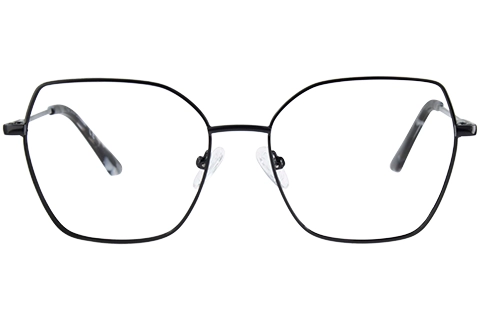
- For a bolder look, try deep purple or black frames to make your eyes stand out.
Now that you understand what makes dark or light blue eye colour so unique and how to care for them and enhance them, be ready to fetch your peepers the attention they deserve.