Offers
 Account
 Menu
Menu Favorite
 Basket



 Need Optical Advice?









 Updated on:
30 April, 2026
Updated on:
30 April, 2026



 Copy Link


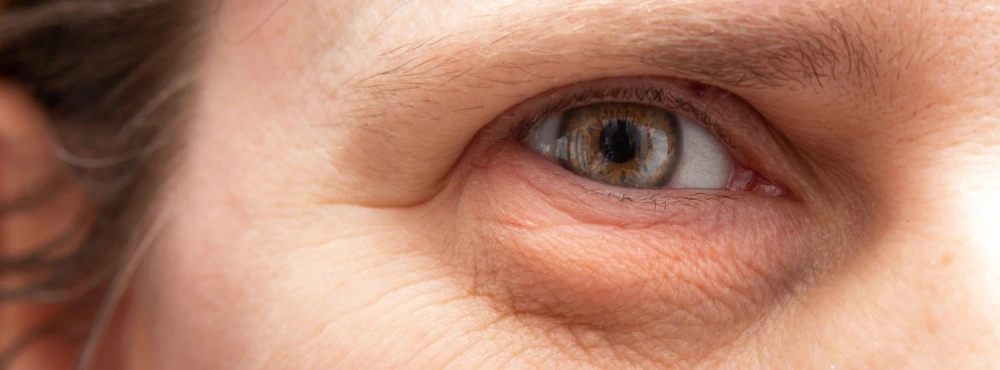
Khuram Sarwar, a Dispensing Optician at Feel Good Contacts, explains, “Puffy eyes, also known as periorbital oedema or periorbital puffiness, refer to the swelling above or below the eyes. The area surrounding the eyes is called the eye orbit or eye socket, hence the term ‘periorbital’.”
Puffy eyes are not usually serious. They can have many causes and their treatment depends on the specific cause. This condition may affect either one or both eyes. In this article, you will learn about the various causes and treatments for periorbital oedema.
- Puffy eyes vs bags under the eyes
- Causes of puffy eyes
- Symptoms of puffy eyes
- How to get rid of puffiness around the eyes
Puffy eyes vs bags under the eyes
Periorbital oedema is different from bags under the eyes. Under-eye bags are a natural part of the ageing process. As you age, the tissues and muscles surrounding your eyes weaken, causing the fat around your eyes to bulge. This makes your skin looser and more prone to wrinkles, giving your eyes a baggy appearance.
However, puffy eyes or periorbital oedema is a temporary health condition that gives the eyes a swollen appearance. It can either be chronic (happening slowly over a period of time) or acute (happening quickly) and may occur for several reasons, including inflammation, fluid buildup or ageing.
Causes of puffy eyes
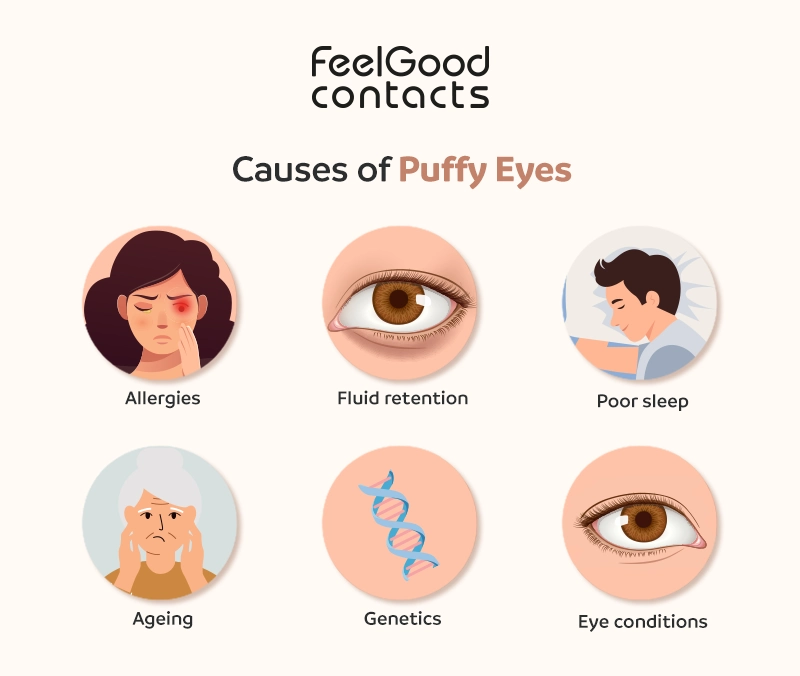
Some possible causes of periorbital oedema include:
- Allergic reactions: Common allergies to pet dander, pollen and dust can cause eye irritation, swelling, watery eyes, red eyes or inflammation around the eyes. Antihistamines can help ease your allergies and their symptoms. If you have facial swelling or find it difficult to breathe, along with swollen eyes, then it can be an extreme allergic reaction, called anaphylactic shock. This condition needs emergency medical treatment.
- Fluid retention: Excess fluid can accumulate due to hormonal changes (from smoking or other factors), alcohol (which causes dehydration), or a high salt diet.
- Ageing: As you age, your body loses more water throughout the day and your collagen levels decrease. This causes your skin to lose its elasticity, leading to puffiness and sagging. Moreover, as the body ages, it tries to retain more fluid, leading to swelling around the eyes.
- Eye conditions: Eye problems like conjunctivitis, periorbital cellulitis, blepharitis, blocked tear ducts, corneal ulcers, endophthalmitis and eye injuries (such as a black eye) can cause redness, inflammation, swelling or bruising.
- Acute infection: This infection often accompanies other symptoms, such as swollen lymph nodes, vomiting, nausea, feeling unwell and fever.
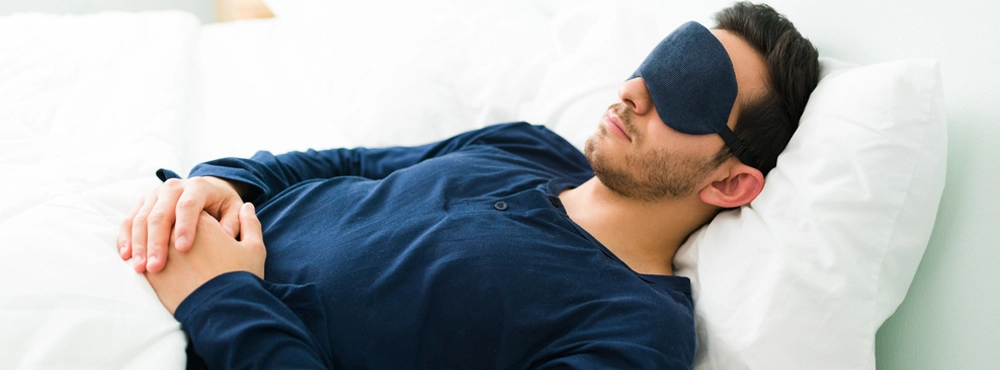
- Irregular sleep: Lack of regular sleep, excessive sleep or poor sleep quality can also cause swollen eyelids and dark circles.
- Medical conditions: Covid-19, sinus infections, kidney issues (such as nephrotic syndrome), thyroid disorders (such as hypothyroidism, hyperthyroidism and Graves’ disease) and mononucleosis (a viral disease) can also cause persistent eye puffiness.
- Prolonged screen time: Using digital screens for extended periods can lead to eye strain and fluid buildup.
- Crying: It irritates the eyes, causing temporary inflammation and swelling.
To know the main cause of periorbital oedema, you should consult a doctor. They will assess your medical history, conduct physical exams and check your blood and allergy tests, imaging scans or skin biopsies to recommend the right treatment.
Symptoms of puffy eyes
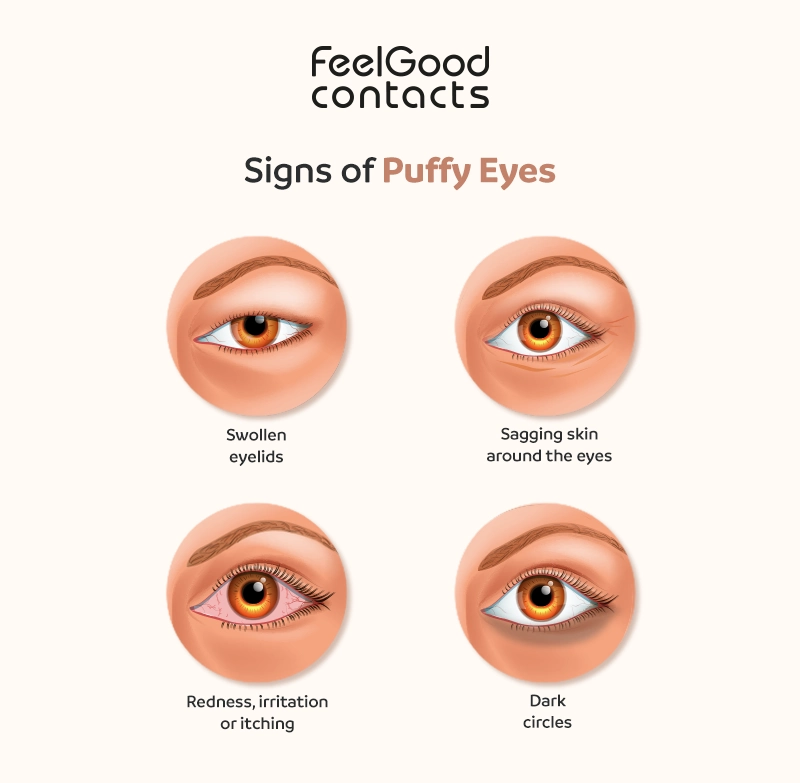
Some symptoms of periorbital oedema include:
- Irritation or itching (especially in allergies)
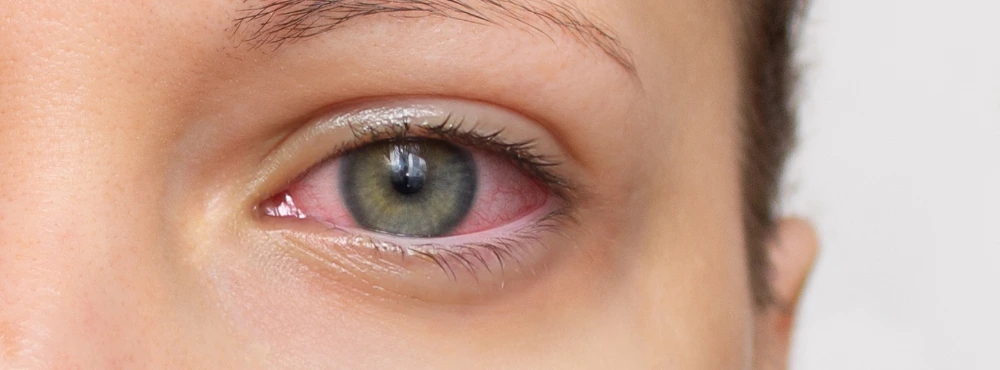
- Long-lasting or temporarily swollen eyelids (bulging around the eye orbit), along with redness
- Mild to severe inflammation around the eyes or in the white of the eye
- Excessive tears
- Dark circles or discolouration under the eyes due to congestion of the blood vessels
- Bruise-like eye appearance
- Pain while moving the eye or around the eye orbit
- Eye fatigue
- Blurry or double vision
- Light sensitivity
How to get rid of puffiness around the eyes?
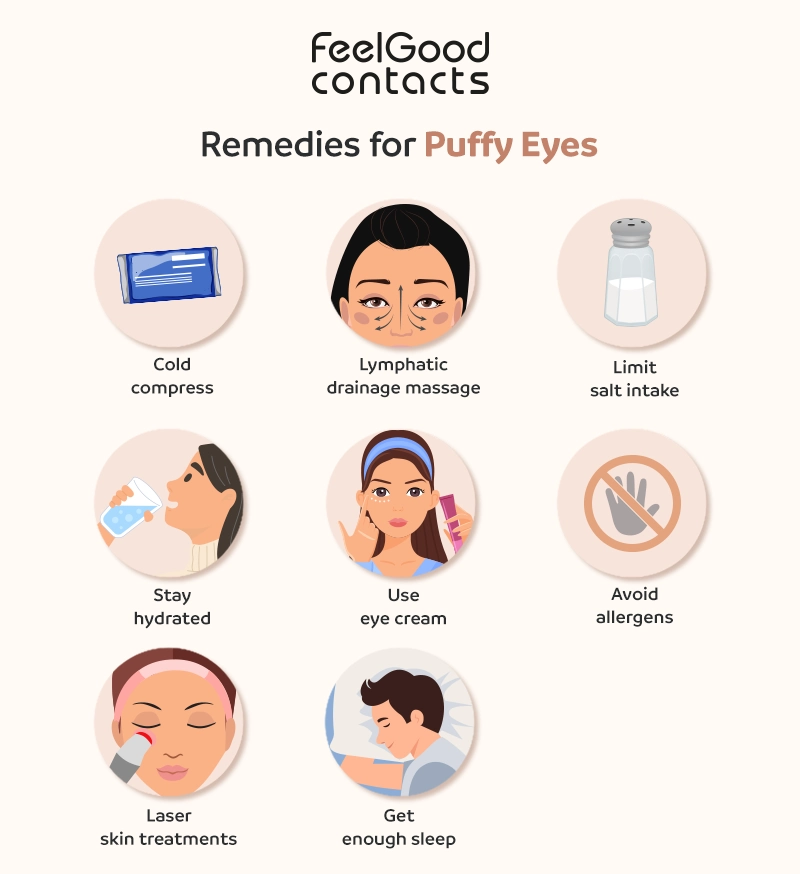
As already mentioned, the treatment for periorbital oedema depends on its cause. You can try some of the following remedies for puffy eyes:
- There are several home remedies you can try to soothe eye irritation and reduce eye swelling. This includes applying a cold compress, such as a chilled spoon, cucumber slices or tea bags.
- Lymphatic facial drainage massage can help reduce fluid retention around the eyes.
- Lifestyle changes, such as staying indoors to avoid allergens, increasing your water intake (drink 8-10 glasses of water), reducing your salt intake and improving your sleep habits, can help prevent eye puffiness.
- You can apply a medically approved topical eye cream to reduce puffiness and improve circulation.
- You can also try medical treatments, such as antibiotics for infections, antihistamines for allergic reactions, anti-inflammatory medications, corticosteroids or adrenaline for anaphylactic reactions.
- Non-surgical aesthetic procedures, such as dermal fillers and laser skin treatments, can help restore a youthful appearance.
Puffy eyes can be a medical or cosmetic eye problem caused by underlying health conditions or lifestyle habits. Even though they are not usually serious, they can be uncomfortable and hinder your everyday tasks. A doctor can help diagnose the cause behind your puffy eyes and recommend the right treatment.